
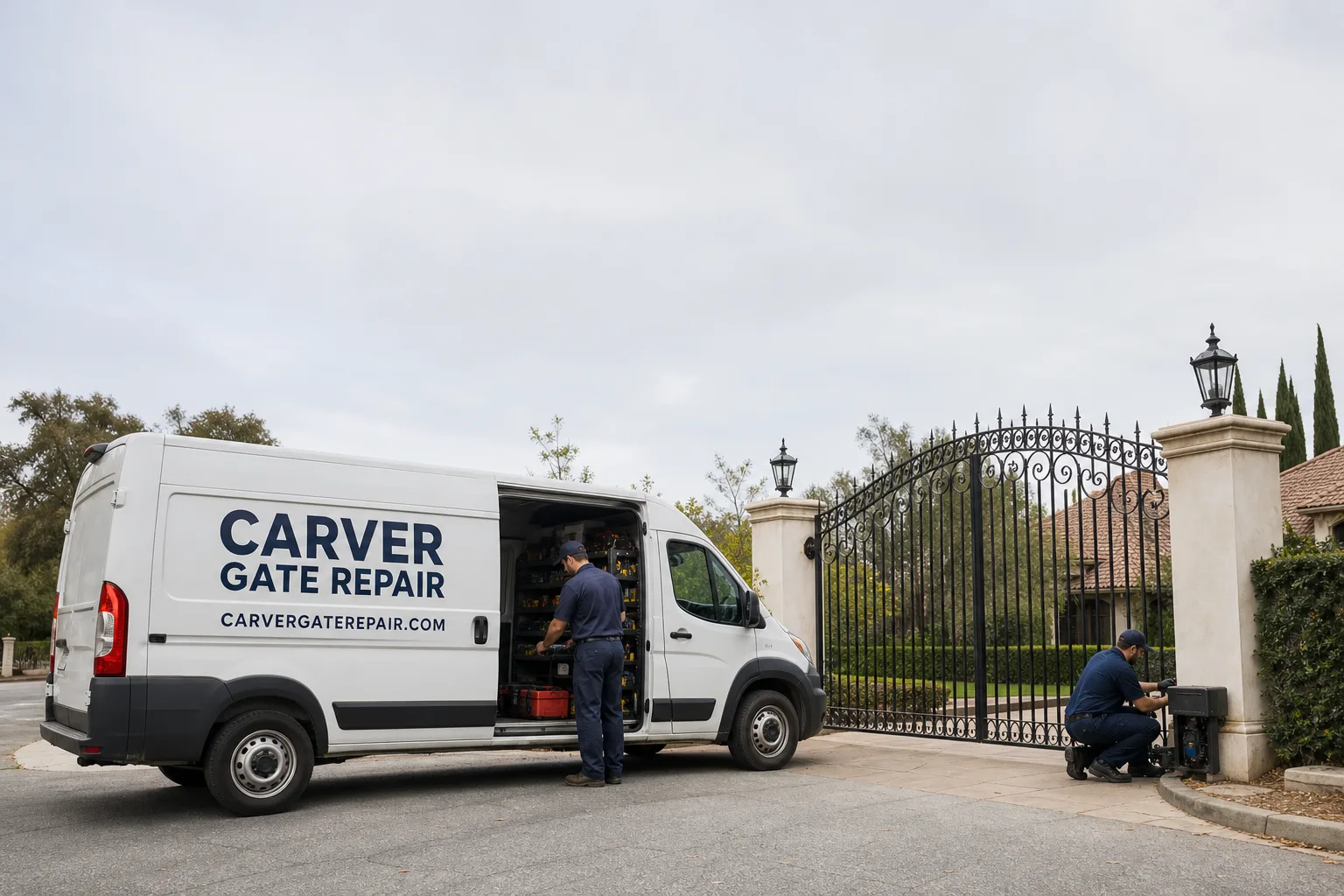
Free on-site gate assessment - hinges, posts, and your LiftMaster or Nice gate operator checked before anything is quoted
The assessment is free and the quote is the invoice.

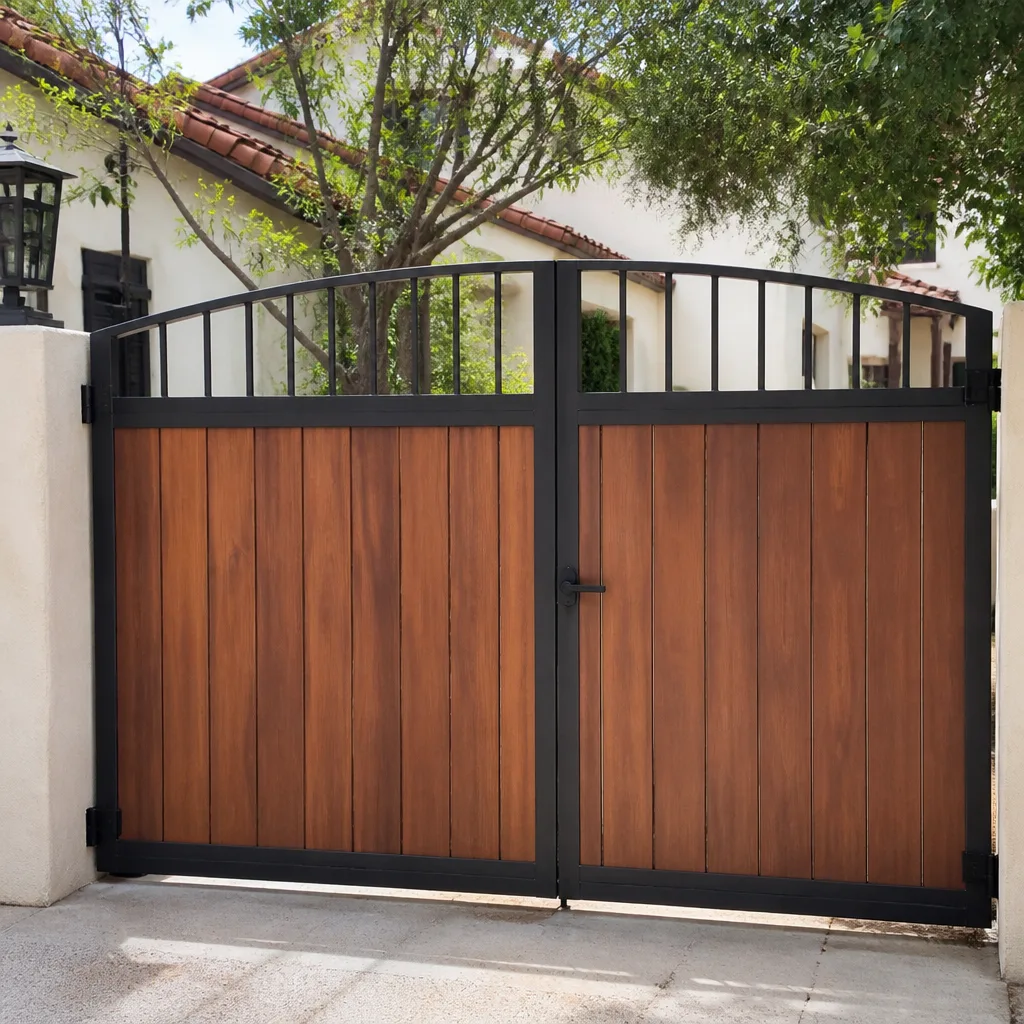
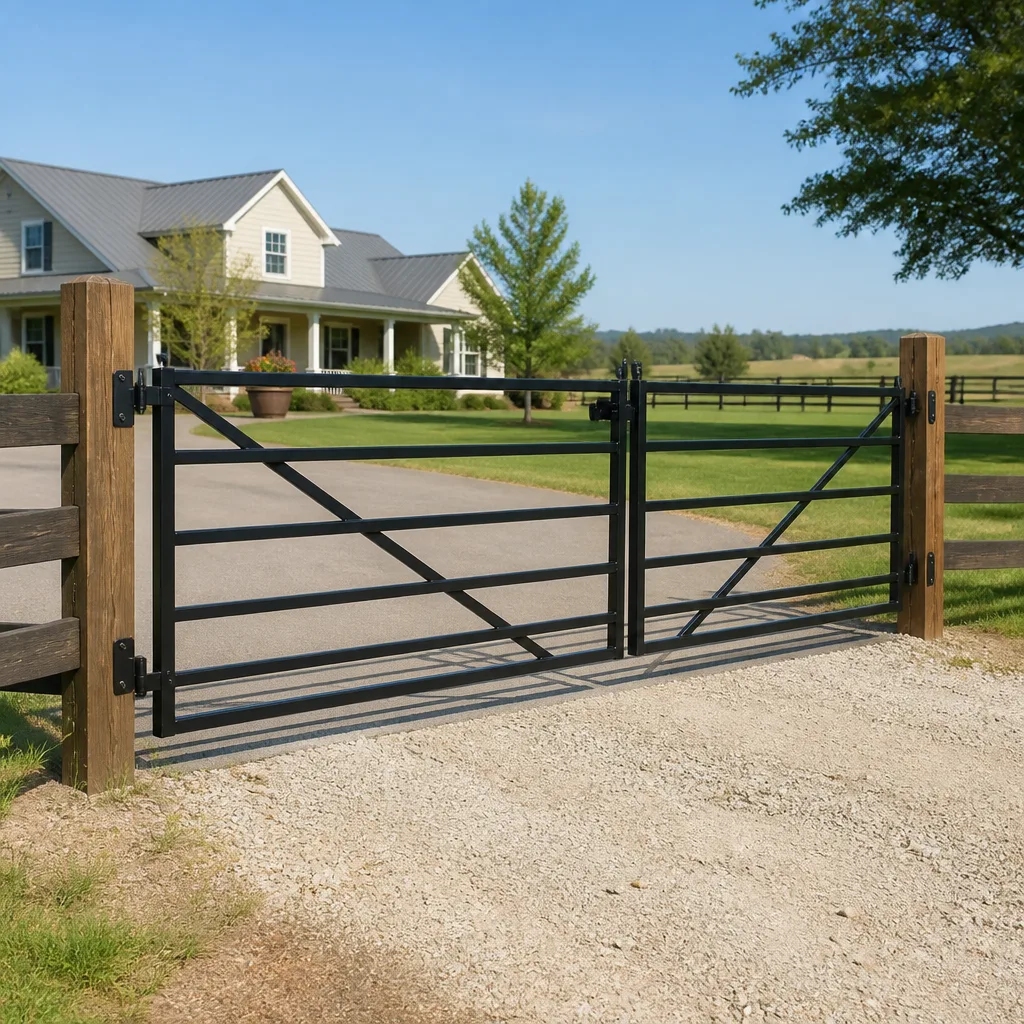
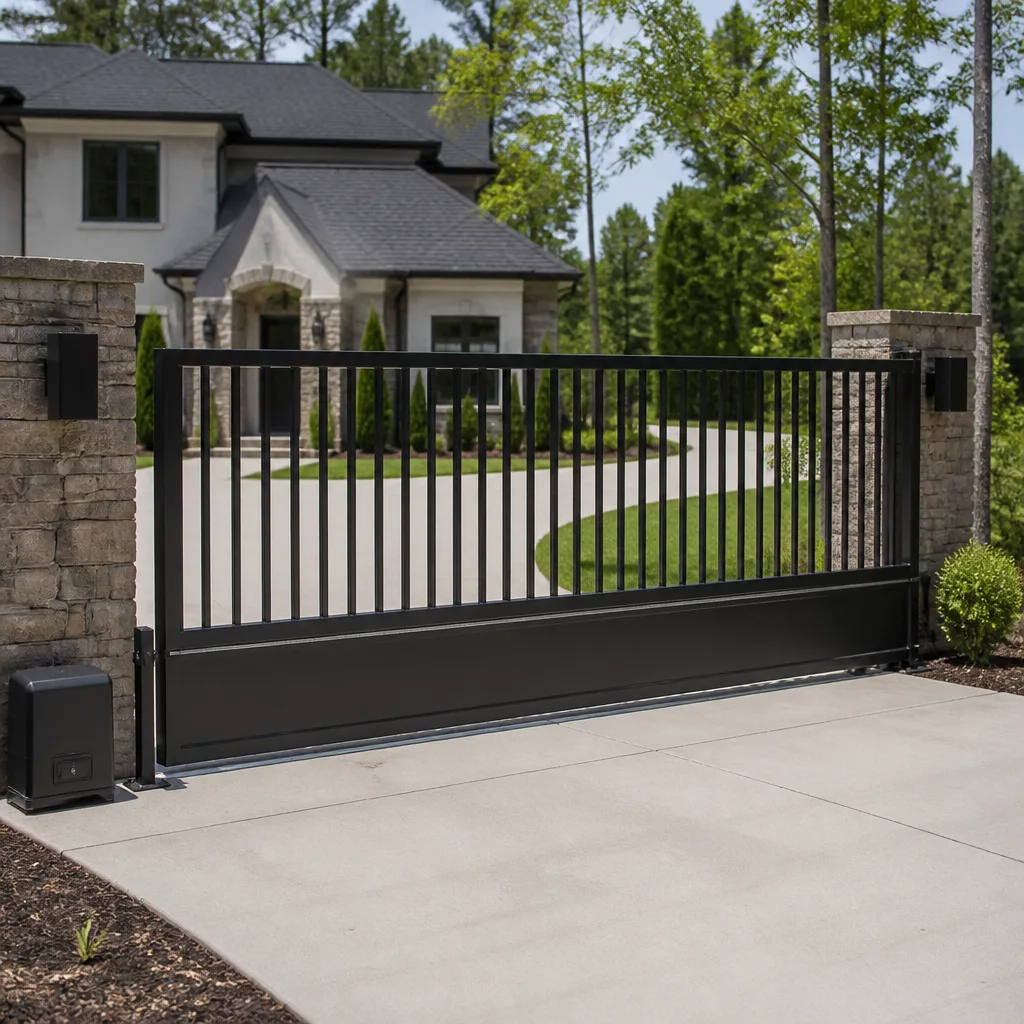
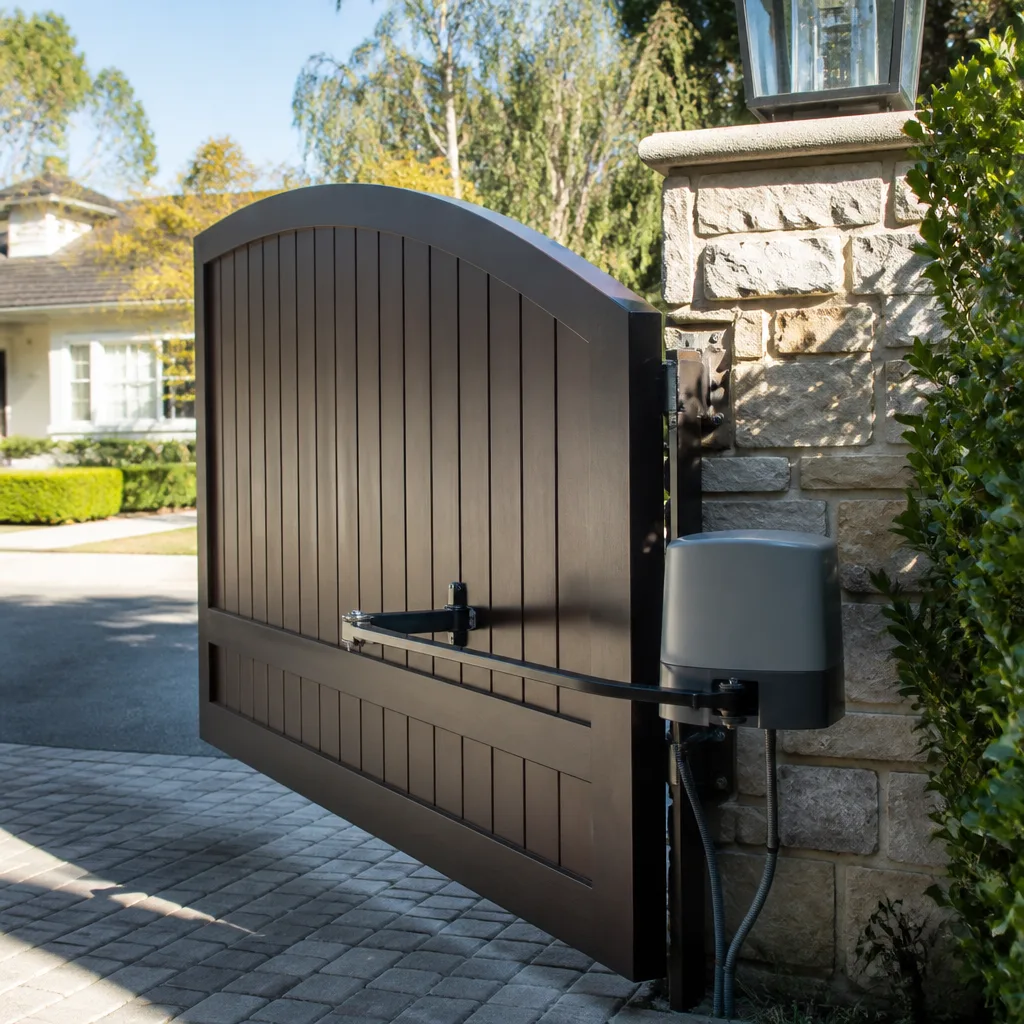
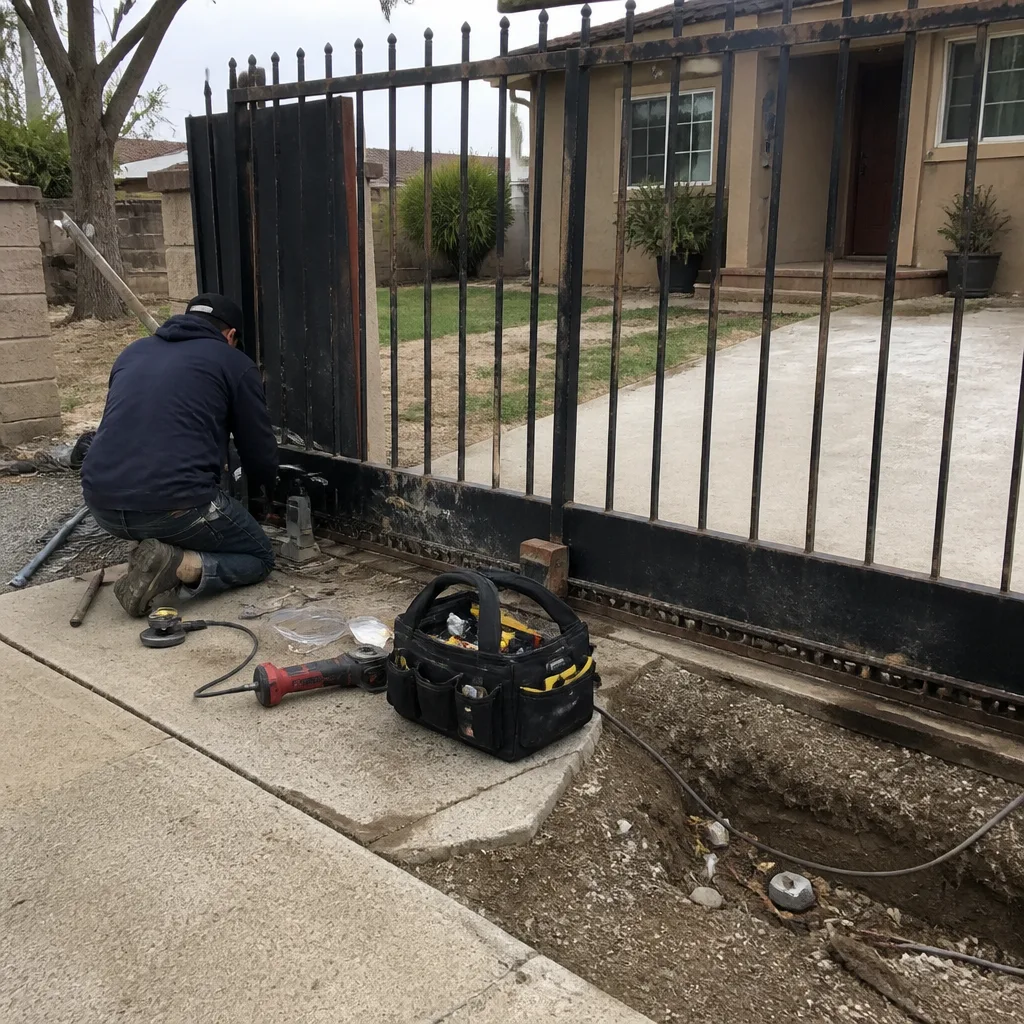 Before
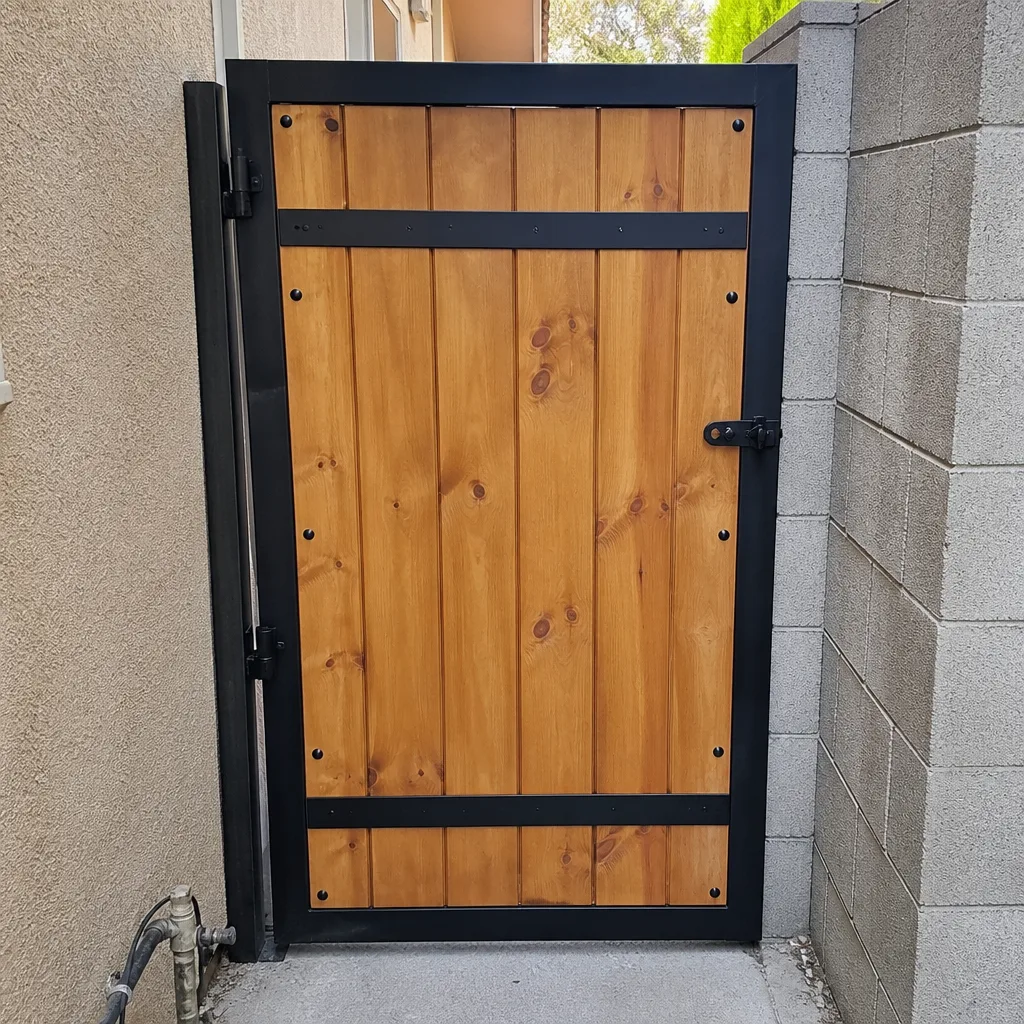 After
After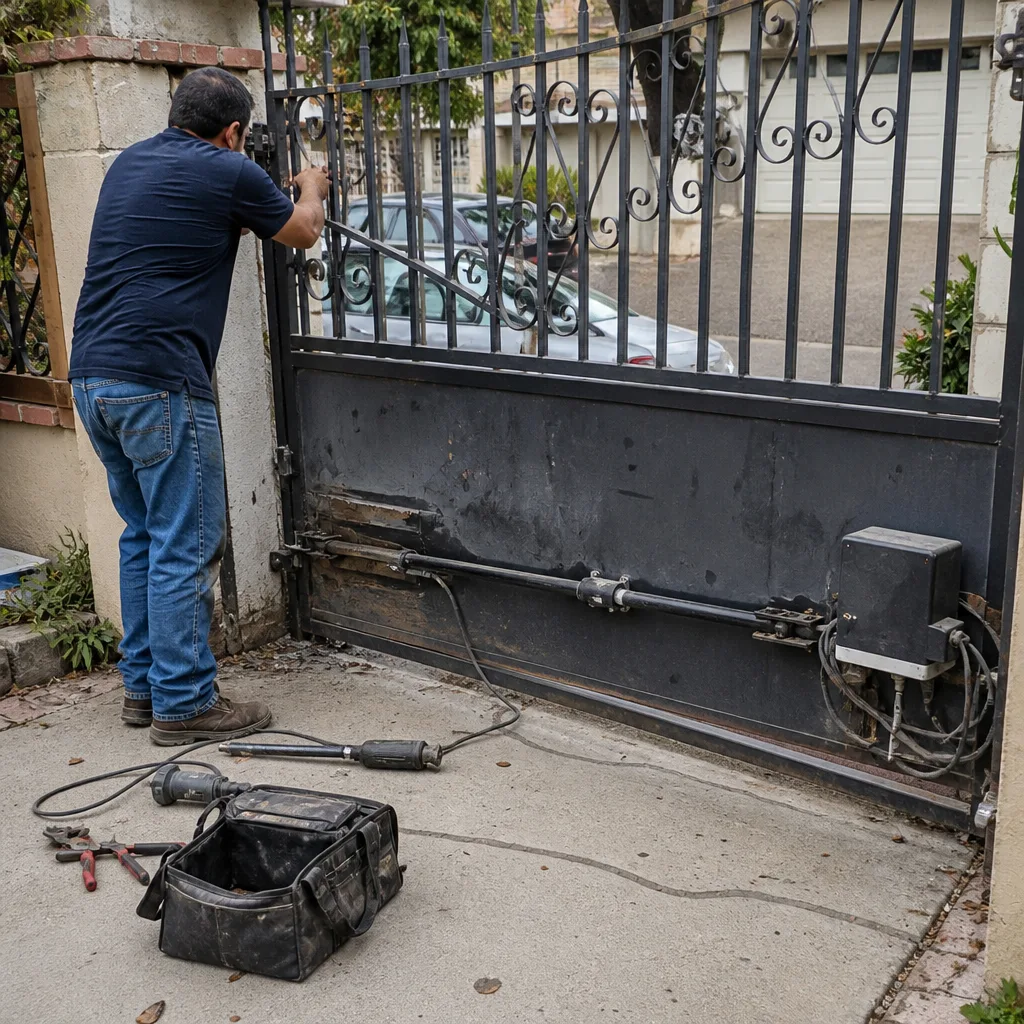 Before
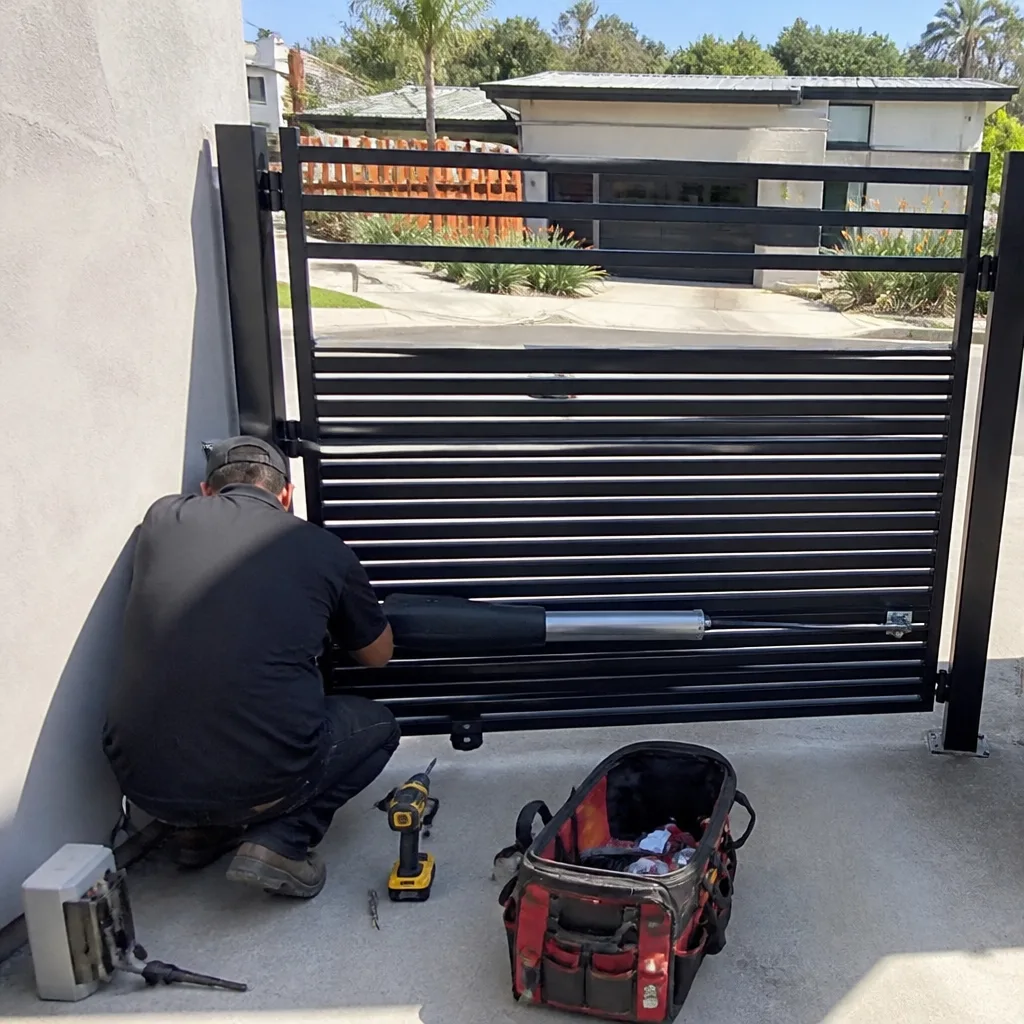 After
After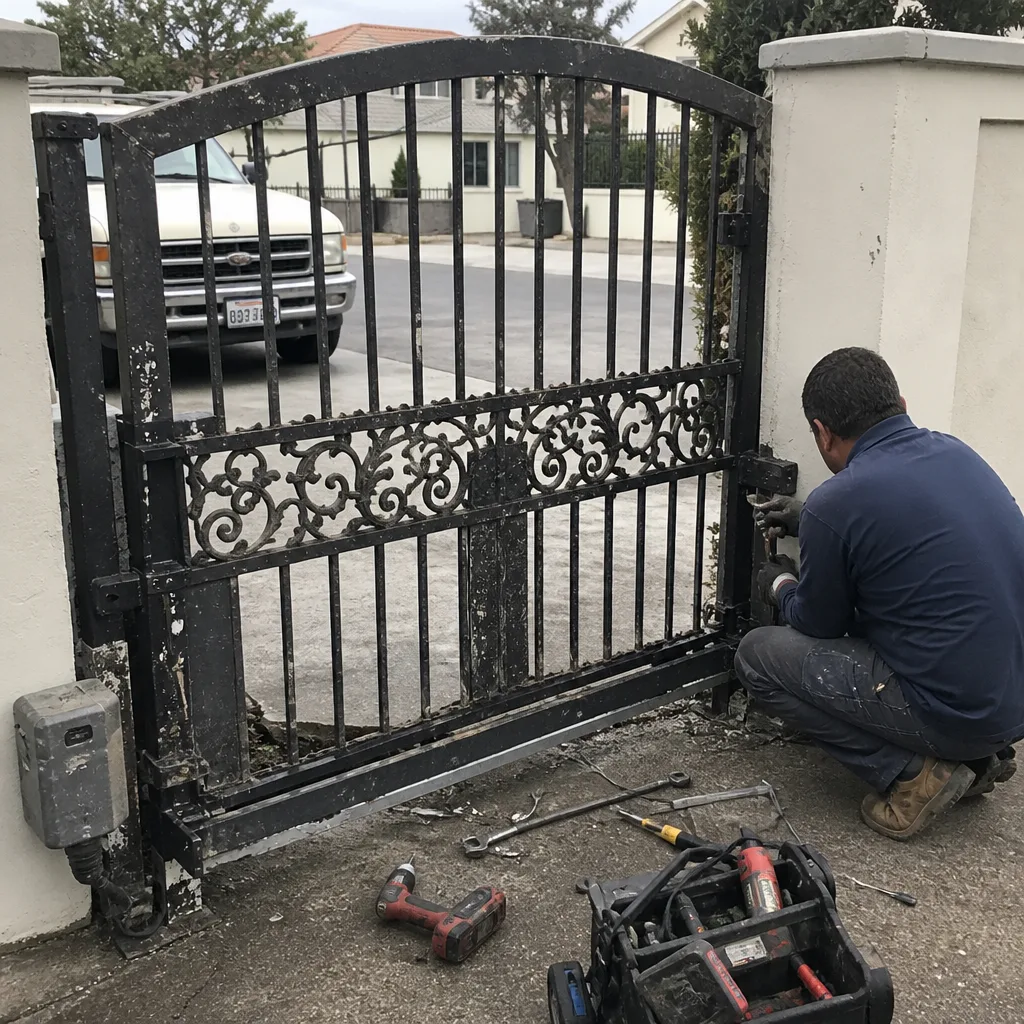 Before
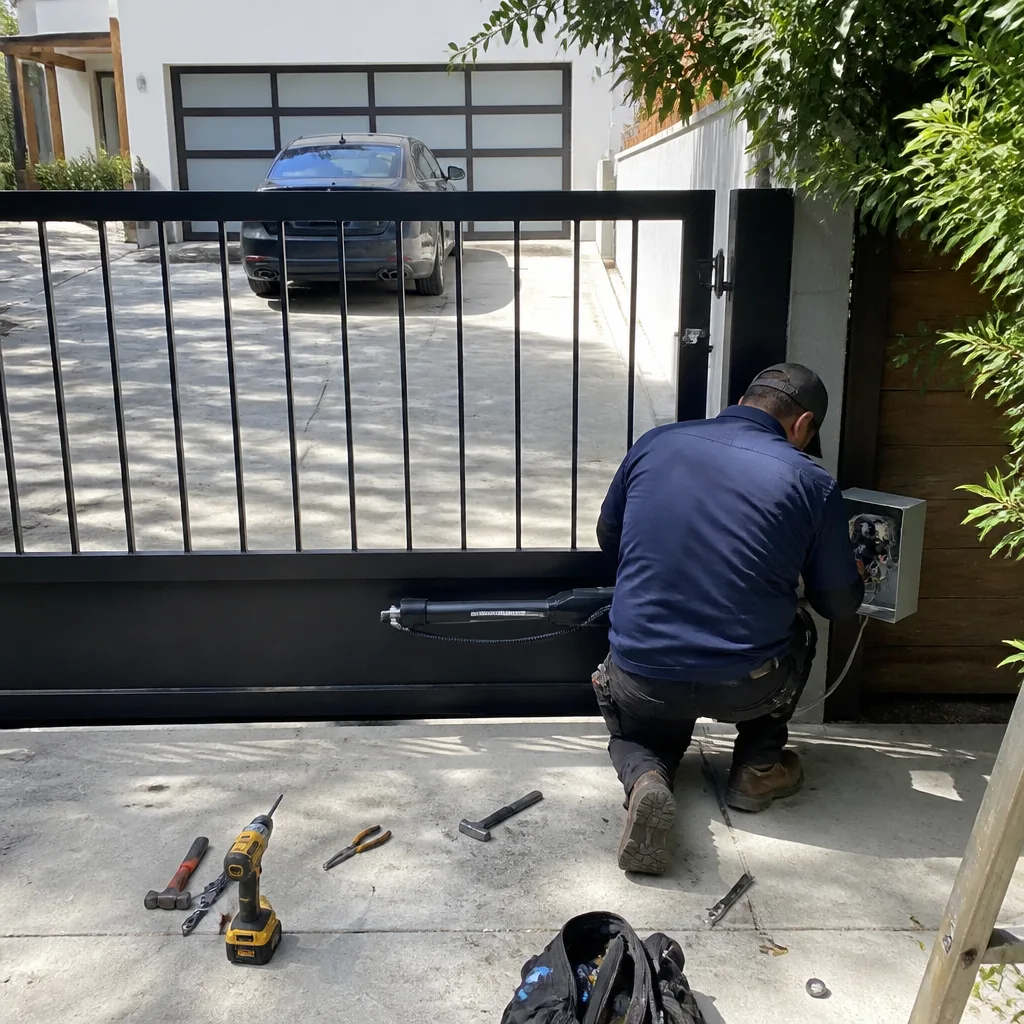 After
AfterGate Reverses Immediately
When a gate starts moving and then reverses before it opens or closes all the way, the motor’s safety or limit system has stopped the cycle on purpose. In almost every case, something is either blocking the gate’s travel, misreading the travel distance, or telling the operator that an obstacle is present when there isn’t one. This is a fixable problem, and your local Carver Gate Repair team handles it regularly.
The reversal itself is not a malfunction in the alarming sense – the gate is doing what it was programmed to do when it senses resistance or a limit error. The problem is whatever is causing that signal to fire too early. That could be a physical obstruction, a misaligned safety sensor, a worn drive component, or a limit setting that has drifted out of calibration. Until the root cause is found and corrected, the gate will keep reversing, and forcing it through the cycle will wear the motor faster and risk damaging the gate structure itself.
Why It Happens
Safety Sensors Out of Alignment
Most automated gates use a pair of photoelectric eyes – one sends a beam, one receives it – mounted near the gate’s path. If those sensors get knocked out of alignment by a vehicle, a lawn mower, or even a heavy rain that shifts a post, the beam breaks the moment the gate moves and the operator reverses to avoid what it thinks is an obstruction. You can often spot this yourself: look for small sensor housings mounted low on the posts or along the ground track. If one is visibly tilted or the indicator light is amber or flashing rather than solid green, misalignment is the likely culprit.
Limit Settings That Have Drifted
Every gate operator stores a learned travel distance – how far open is “open” and how far closed is “closed.” Over time, especially after a power interruption or a hard stop caused by debris, those stored limits can drift. The operator then reverses before the gate finishes its travel because it believes it has already reached the endpoint. There’s no visible damage to spot here, but the pattern is telling: the gate always reverses at roughly the same point in the cycle, whether opening or closing.
Obstruction in the Drive Mechanism
Swing gates use underground actuators or articulated arms; slide gates ride on a rack and track system. Debris packed into the rack teeth, a stone caught under a wheel, a broken roller, or a seized hinge puts real resistance on the operator – resistance the motor interprets as an obstacle and reverses away from. Walk the full path of the gate slowly. Look for anything in the track or against the arm. If you hear a grinding or clicking sound at the moment of reversal, that’s a strong indicator of a mechanical obstruction or a component that has broken inside the drive path.
Operator Force or Sensitivity Set Too Low
Gate operators have an adjustable force or torque sensitivity setting. If that setting is dialed too low – or if the gate has gotten heavier over time due to a sagging hinge, warped panel, or accumulated weather damage – the motor hits its force threshold before the gate completes the cycle and reverses. The gate may move freely by hand but reverse consistently under motor power. This setting lives inside the operator housing and is adjusted during a professional calibration; it is not something to change without knowing the correct range for your specific unit.
What to Do Right Now
- Stop cycling the gate. Every attempted cycle under a fault condition puts extra load on the motor and the mechanical components. One or two tests to confirm the symptom is enough – after that, leave it parked.
- Check the sensor lights. Look at both sensor housings. A solid green or a matched pair of indicator lights means the beam is intact. An amber, red, or blinking light means the beam is broken and the sensors are the first place to look. Clear any leaves, dirt, or spiderwebs from the lens faces – that alone sometimes resolves a false obstruction reading.
- Walk the gate’s travel path. Look for rocks, debris, or anything in the track or along the swing arc. Remove anything obvious that isn’t part of the gate structure. Do not reach into the drive rack or hinge assembly while power is connected.
- Do not adjust the force or limit settings yourself unless you have the operator’s manual open and understand the specific procedure for your model. An incorrectly set force limit can allow the gate to close on a person or vehicle without reversing – which is the opposite of a safety system working correctly.
- Photograph the setup before anyone touches it. A photo of the sensor positions, the drive arm or track, and the operator control panel helps a technician diagnose faster and gives you a record of the pre-repair state.
How We Fix It
When your local Carver Gate Repair technician arrives, the first thing they do is run the gate through its cycle while watching and listening – not just pushing buttons, but actually reading what the operator is doing at each stage. From there, they run a sensor alignment check, inspect the drive mechanism for obstructions or worn components, and pull up the operator’s diagnostic codes if the unit supports them.
If the sensors are out of alignment, they’re repositioned and secured. If the limits have drifted, the technician re-learns the travel distance to the manufacturer’s specification for that unit. If there’s a worn roller, a broken rack section, or a failed drive component, that part is replaced. We work on nine motor brands – LiftMaster, FAAC, BFT, Linear, Viking, Ghost Controls, DoorKing, Elite, and Mighty Mule – so the right parts are matched to the system already installed.
Most single-cause reversals are resolved in one visit. Before any work starts, you get a written price – that number does not change once the job is open. The repair is covered by the 365-Day Done Right Promise: if the same problem returns inside a year, we come back and make it right at no charge.
The service that resolves this is gate repair, and if the operator itself has failed or is beyond adjustment, gate motor repair may be the right path – your technician will tell you which, in writing, before touching anything.
Frequently Asked Questions
It depends on why it’s reversing. If a safety sensor is genuinely blocked or misaligned, the gate is doing its job – but a gate stuck open or stuck mid-cycle is a security gap and a liability. If the reversal is caused by a drifted limit or a low force setting, forcing the gate through the cycle repeatedly can damage the operator or the gate structure quickly. Call (469) 530-2485 so we can help you figure out whether it’s safe to wait or needs attention today.
Call us at (469) 530-2485 – phones are answered by a live person around the clock, every day of the year, including weekends and holidays. Your local Carver Gate Repair team will tell you what’s available and get a technician scheduled. A gate stuck on a reversal loop is exactly the kind of job we move on.
Sensor alignment is something a careful homeowner can sometimes correct – clean the lens faces, check for visible tilt, confirm the indicator lights match. But limit reprogramming and force calibration are a different matter. Get those wrong and you can create a gate that doesn’t reverse when it should, which is a real safety hazard. If the sensor cleaning doesn’t clear the fault, a technician visit is the right call.
We don’t publish a flat rate for this symptom because the cause determines the repair, and the repair determines the price. What we do publish is a written price for your specific job before any work starts – no estimates that grow once the job is open. Call (469) 530-2485 and your local team will schedule a visit and put the number in writing before a wrench turns.
Get It Fixed
Call (469) 530-2485 – a live person answers every call, any time of day or night. Your local Carver Gate Repair team will schedule a visit, diagnose the reversal, and put a written price in front of you before any work starts. Gates that open and close every time – that’s the job.
Written by Lonnie Burke, Owner at Carver Gate Repair, part of the Garrison Partners family operating to The Garrison Standard since 2008.
What Our Customers Say
"Good repair on a motor board. Waited a few days on the part, but they stayed in contact."
- Shelby T."Showed up a little after the window, but he called ahead. On time otherwise, polite, and efficient. Cleaned up all the tools."
- Joan K."Swing gate arm snapped. They replaced the actuator and tested the safety reverse. Fair price."
- Angela P.