
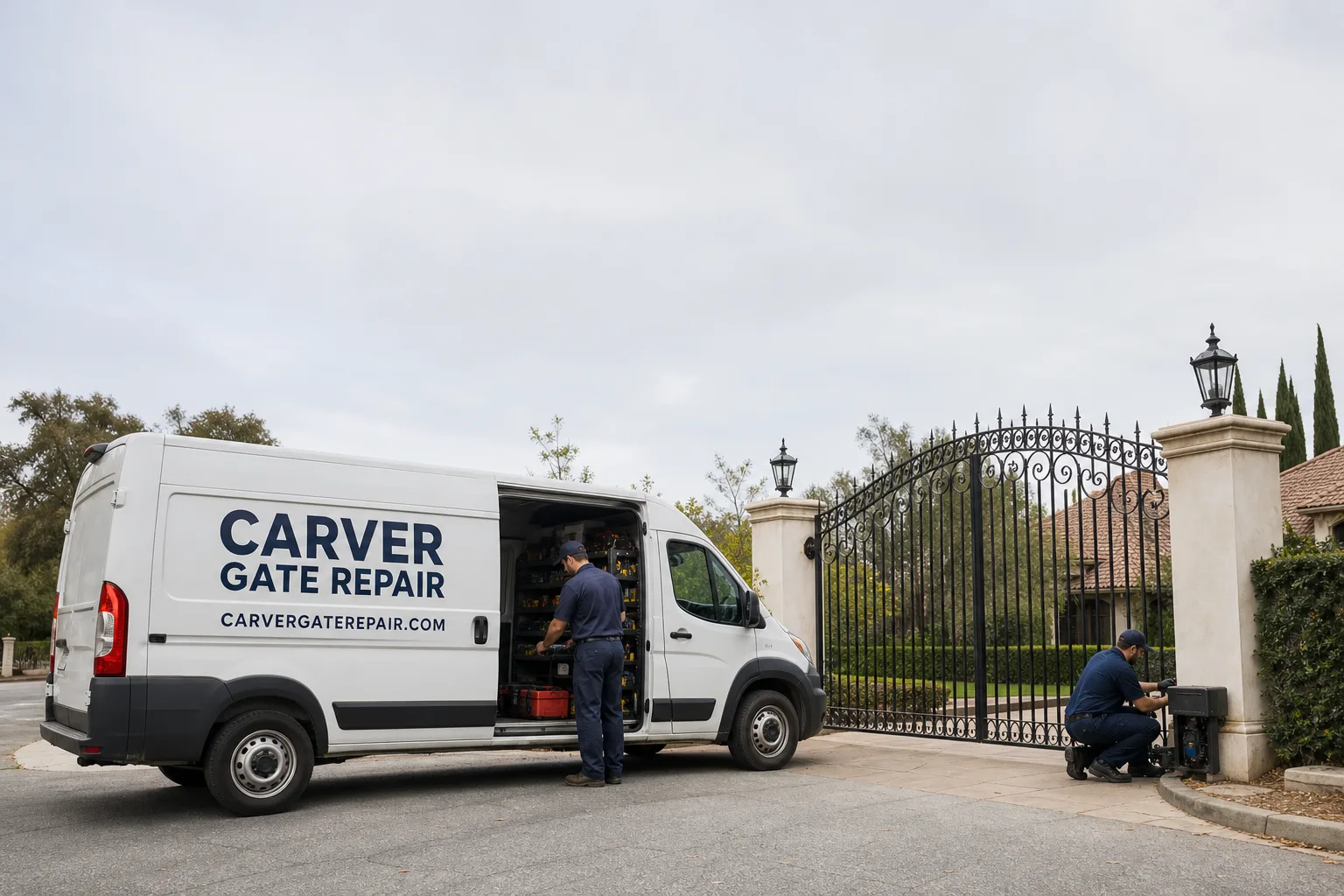
Free on-site gate assessment - hinges, posts, and your LiftMaster or Nice gate operator checked before anything is quoted
The assessment is free and the quote is the invoice.

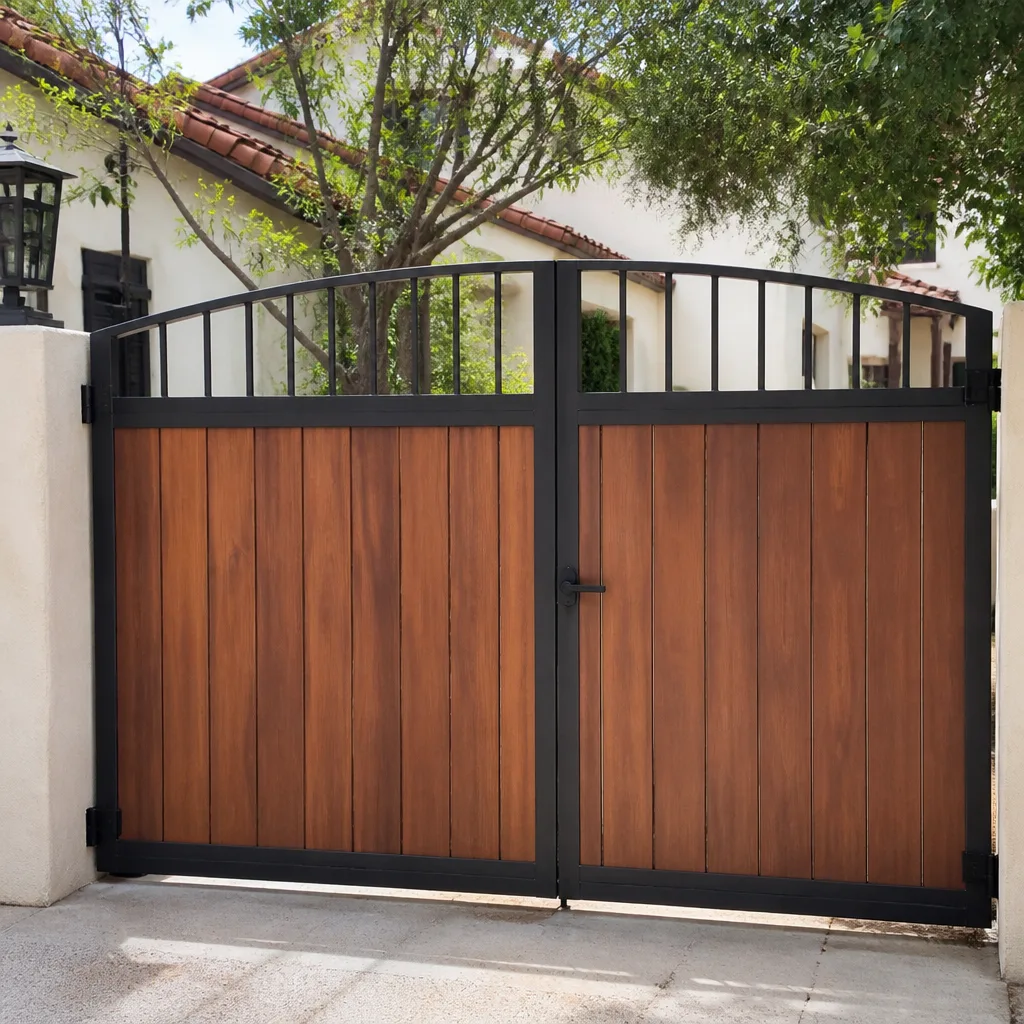
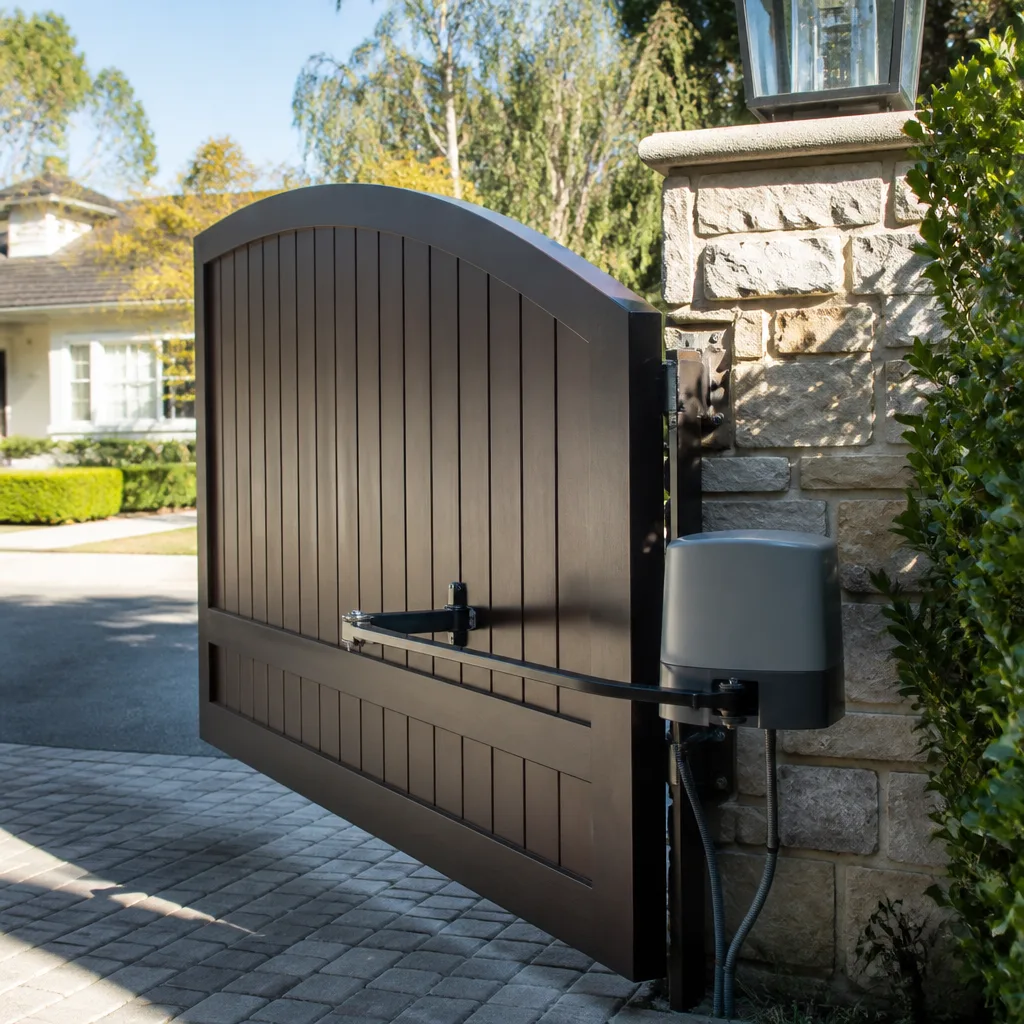
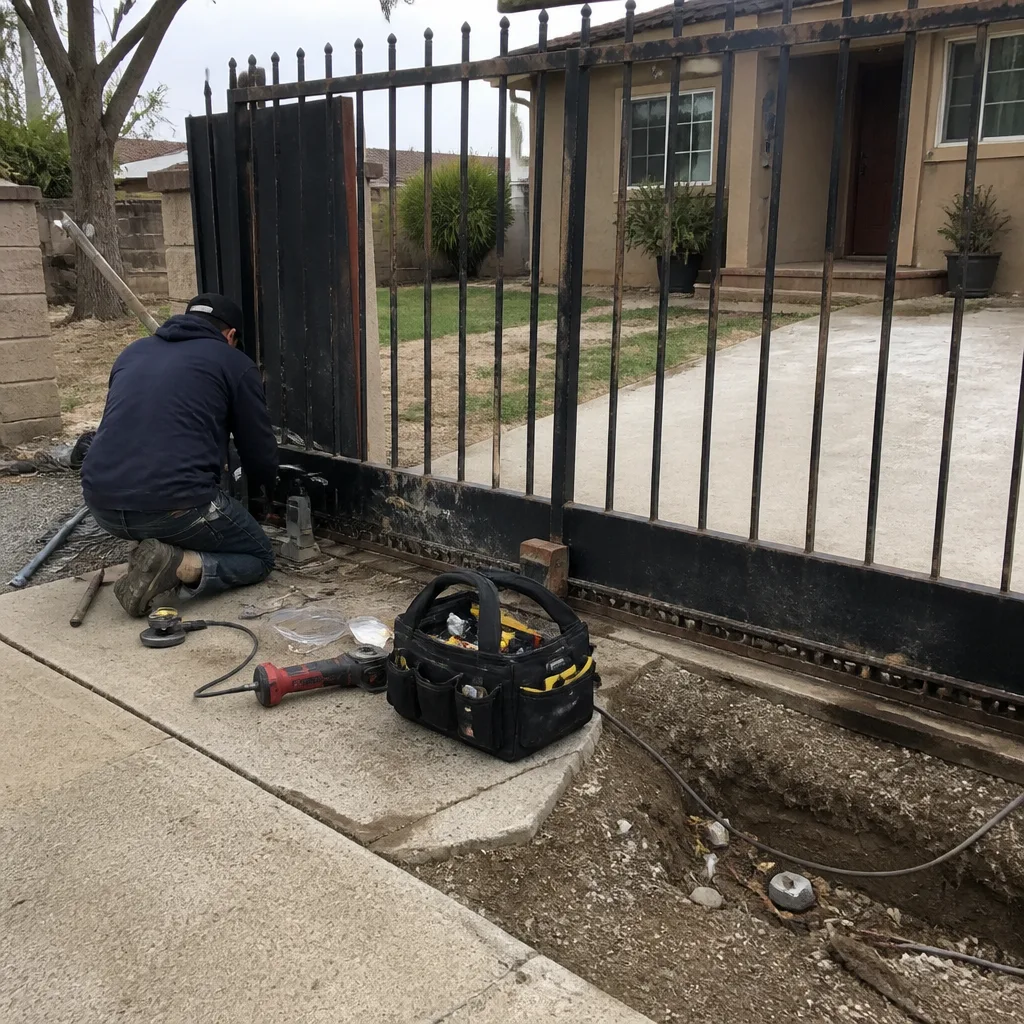 Before
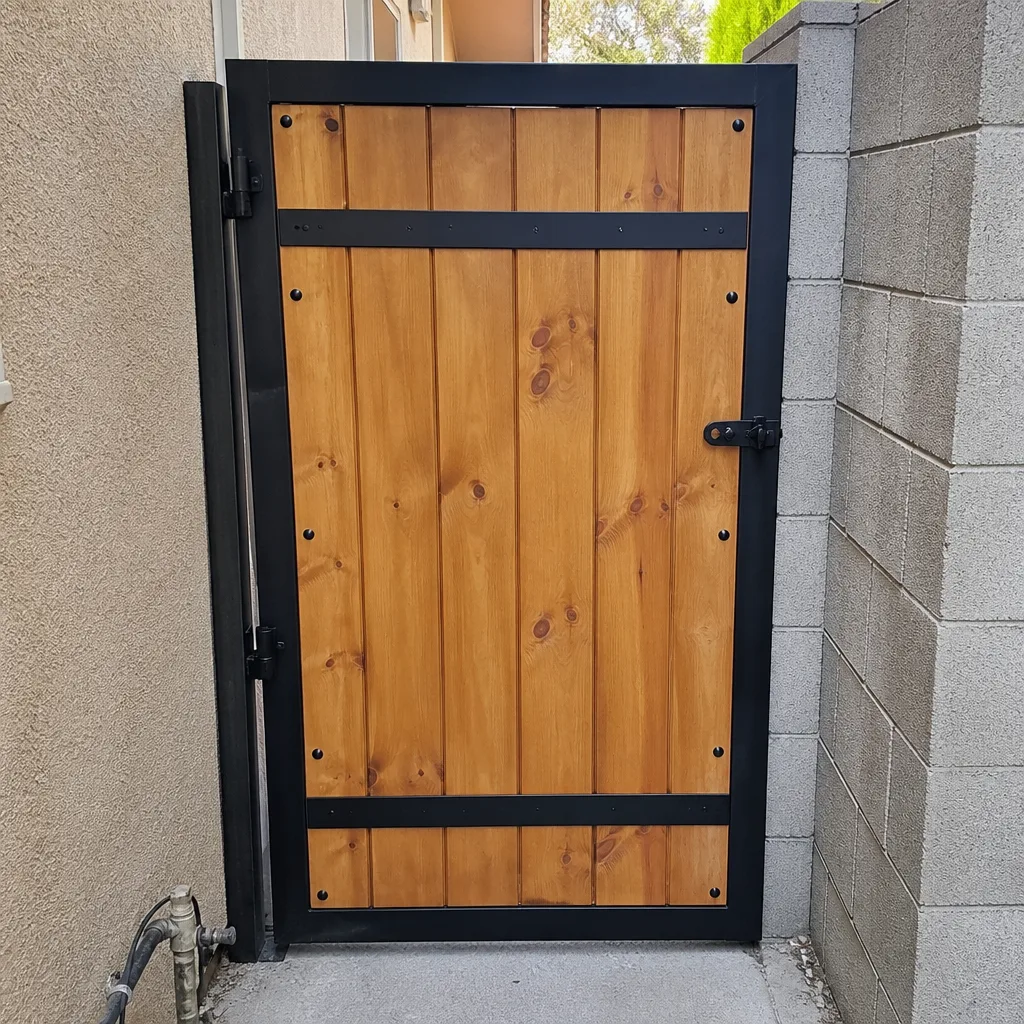 After
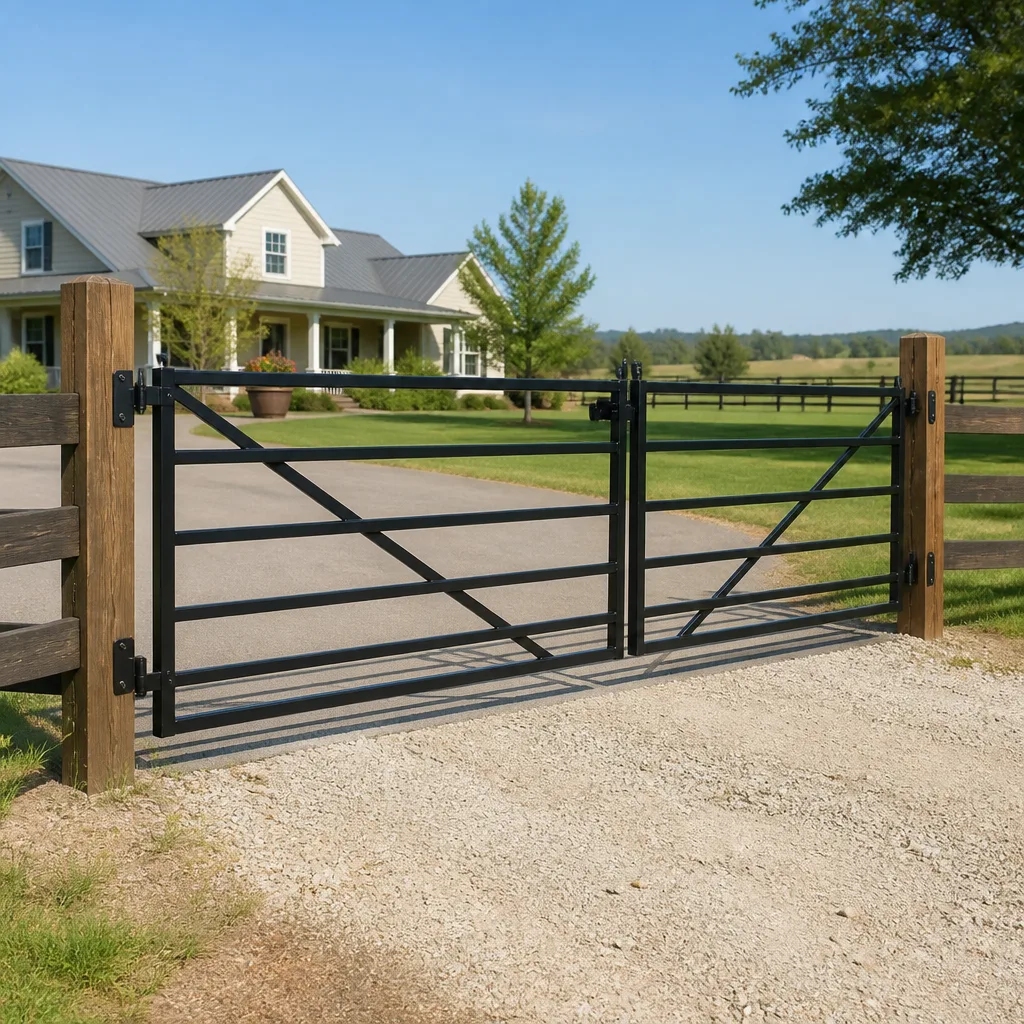
After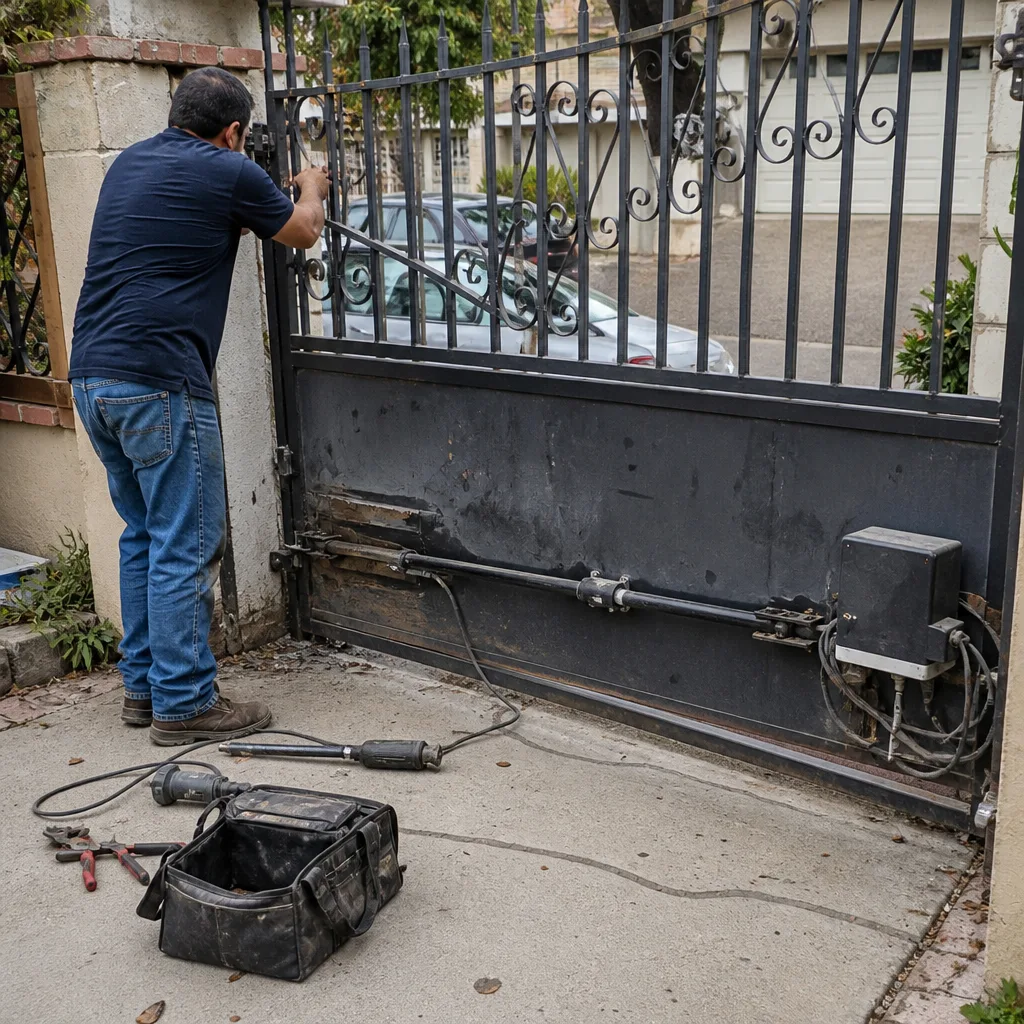 Before
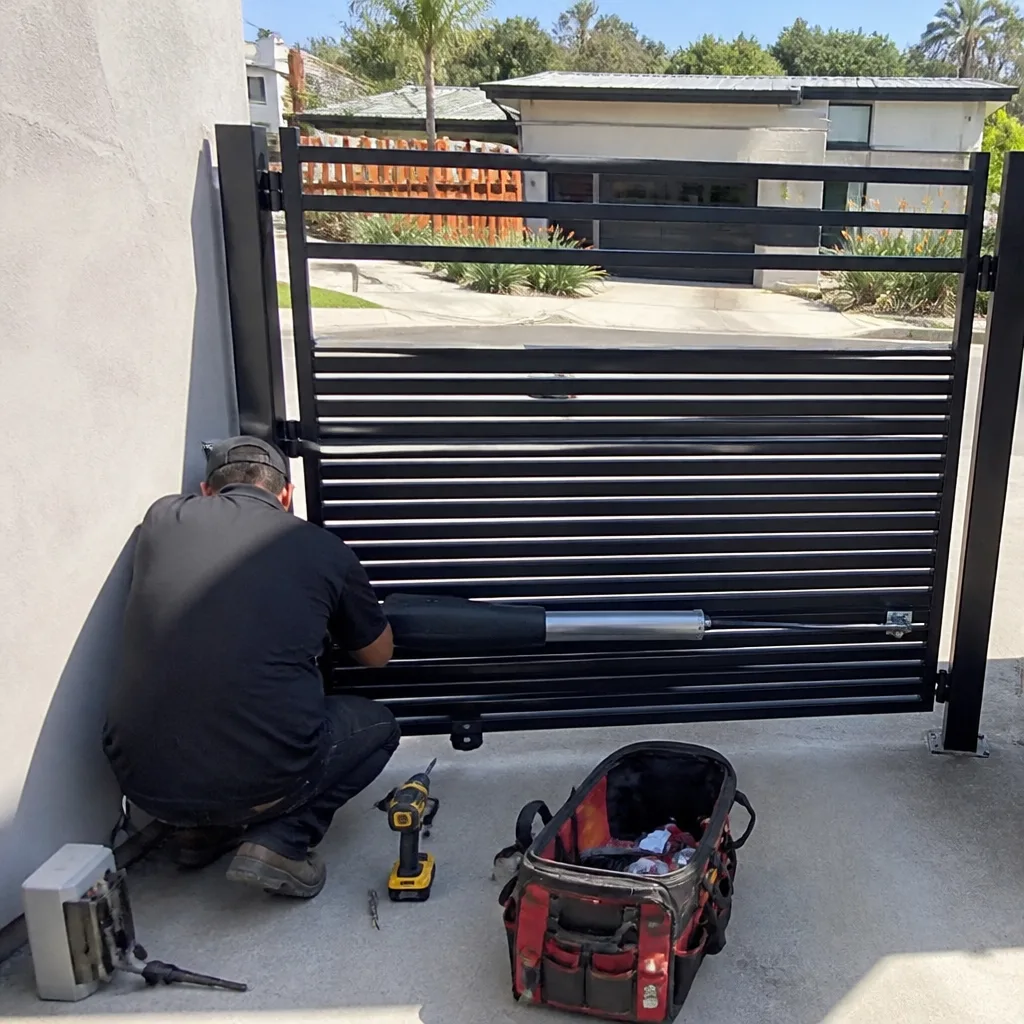 After
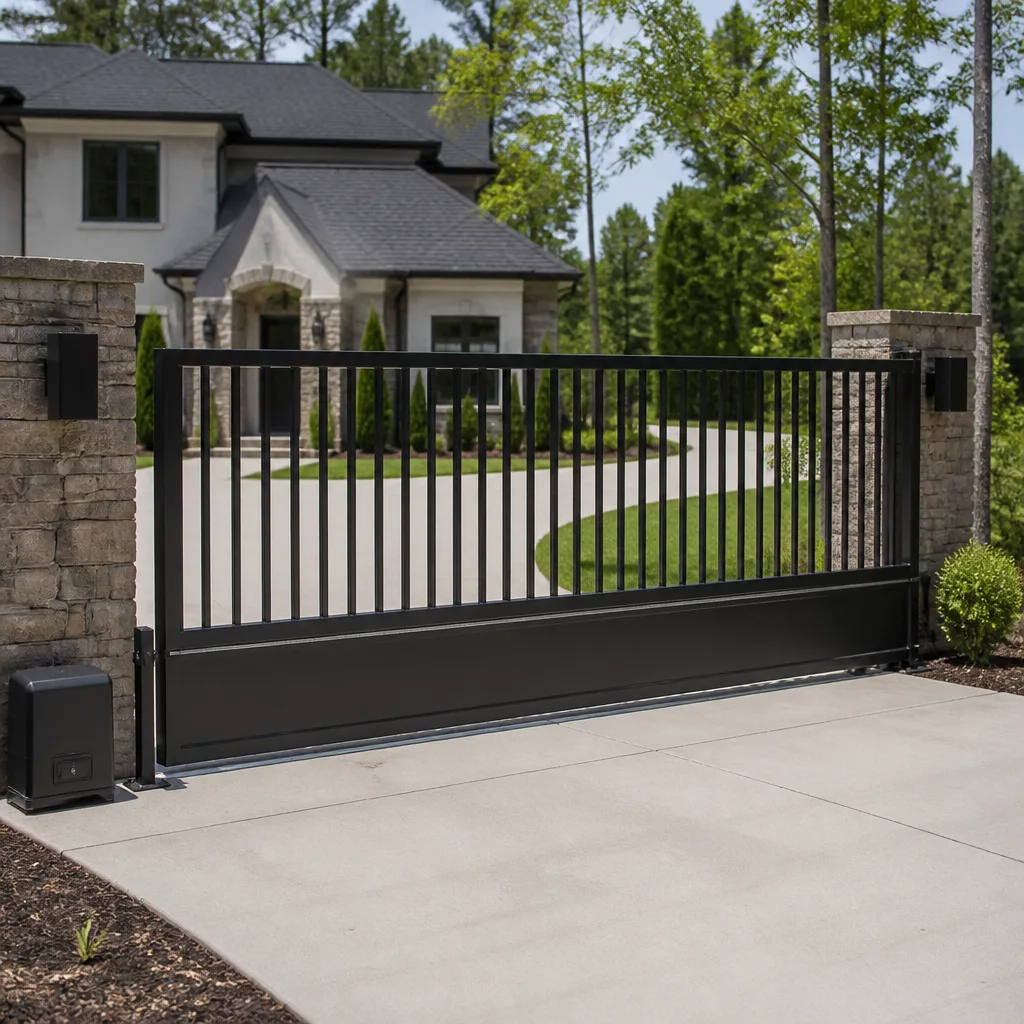
After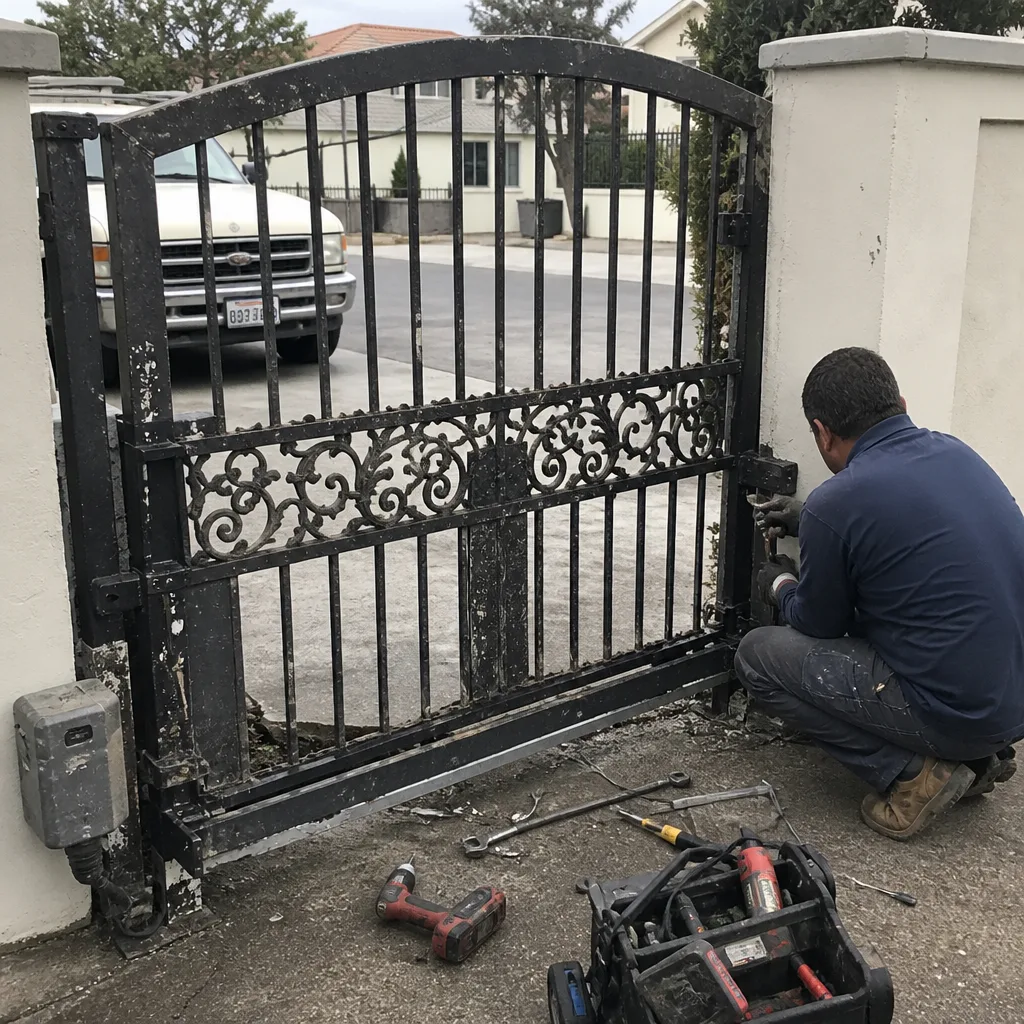 Before
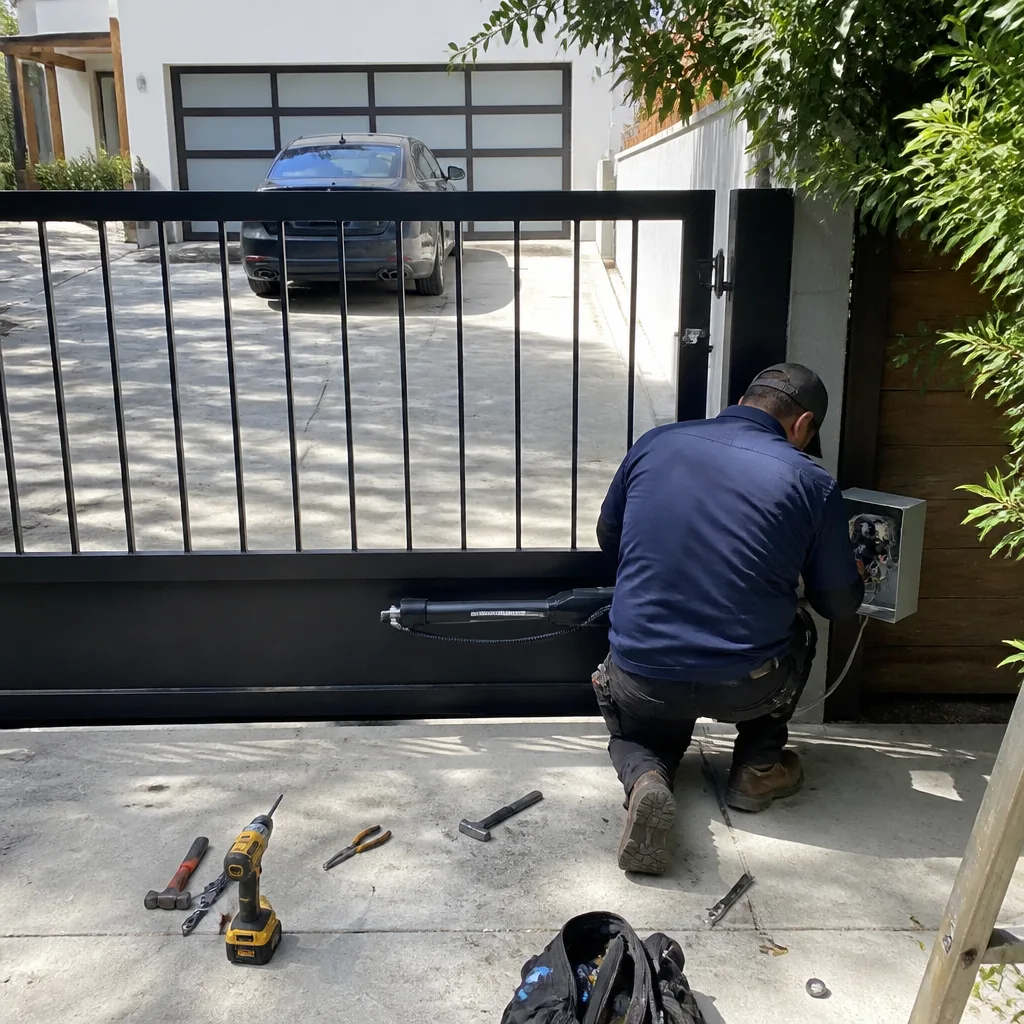 After
AfterLoud Grinding When the Gate Moves
A grinding gate is not a noise you wait out. That sound is a mechanical signal, and it gets more expensive the longer the gate keeps running. Here is what it means and what to do about it.
What’s Happening
A loud grinding noise when your gate moves almost always means metal is contacting metal somewhere it shouldn’t be – either because a moving part has lost its lubrication, worn down, or shifted out of alignment. In most cases the source is the drive gear inside the motor unit, a worn rack-and-pinion track, or rollers and hinges that have run dry. Stop using the gate until someone can look at it; continuing to run it turns a repair into a larger one.
The gate motor works by pushing or pulling weight along a track. Every gear, roller, and pivot point in that system needs a thin film of lubricant between the metal surfaces. When that film breaks down – through age, weather exposure, or a part that has begun to wear – the surfaces start grinding against each other directly. You hear it immediately. Some grinding faults develop slowly over months; others show up overnight after a hard freeze or a gate that caught an obstacle mid-travel. Either way, the noise is the gate telling you something specific is wrong, not that the gate is “getting old.”
Why It Happens
Worn or Stripped Drive Gear
Inside most gate operators sits a nylon or composite drive gear that meshes with a metal worm gear to move the arm. When that nylon gear wears down – which it will do eventually under regular use – the teeth partially strip, and the motor starts slipping and grinding on every cycle. You can sometimes identify this cause by the pattern: the grinding is loudest at the start of movement and may be accompanied by the gate hesitating or jerking rather than moving smoothly. This is the single most common source of grinding on slide-gate operators.
Dry or Damaged Rack and Pinion
Slide gates run on a toothed rack mounted along the bottom of the gate leaf, driven by a pinion gear on the motor. When the rack collects grit, loses lubrication, or develops a bent or broken tooth, the pinion catches on each bad spot and produces a rhythmic grinding – one grind per tooth that passes through the damaged section. If the grinding has a repeating pattern that corresponds to gate speed, the rack is the likely source. A visual inspection of the bottom rail while the gate is powered off will often show obvious debris buildup, rust, or a visibly damaged tooth.
Seized or Dry Rollers and Hinges
Swing gates pivot on hinges; slide gates roll on wheels set into a bottom track. Both types seize up when the bearing inside corrodes or dries out. A seized roller drags instead of rolling, and you hear it as a grinding or scraping sound that changes pitch as the gate moves. You can often spot this by looking at the bottom of a slide gate while it runs – a bad roller will vibrate or wobble noticeably compared to the others. On a swing gate, a stiff hinge will sometimes show rust streaking down the post below it.
Gate Out of Alignment
A gate that has shifted off its track or whose hinges have sagged will grind because the frame is dragging against something – a post, the ground, the track lip, or the motor mount. This type of grinding is usually inconsistent; it may be worse in one direction than the other, or only appear when the gate is near fully open or fully closed. Look at the gap between the gate frame and the posts or ground as the gate moves. If that gap closes and the grinding gets louder at the same moment, alignment is the issue.
What to Do Right Now
- Stop running the gate. Every cycle in a grinding state accelerates wear on the gear, rack, or bearing that is already failing. If the gate is in a closed position, leave it there. If it’s open, close it manually if the operator has a manual-release handle, then disengage the motor so it isn’t used until a technician arrives.
- Do not spray lubricant into the motor housing. WD-40 or generic spray lubricant applied to a drive gear that is already worn will not fix a stripped tooth and can attract grit that makes the problem worse. External hinges and track rails can be wiped clean, but leave the motor internals alone.
- Take a short video with your phone. Record the gate going through one full cycle. Capture the sound clearly and try to get the camera close to the area where the grinding seems loudest. A 30-second video gives the technician a diagnosis head start before they even open the panel.
- Note when the grinding is loudest. Beginning of travel, end of travel, or throughout – and whether it is louder opening versus closing. Write it down. This detail narrows the cause quickly.
- Check the track and ground clearance visually, with the gate powered off. Look for obvious debris, broken concrete, or a sunken post that might be causing the gate frame to drag. Clear any loose debris from the track. Do not try to manually reposition a gate that is under spring tension or one that is significantly heavier than you can handle safely – call instead.
How We Fix It
When your local Carver Gate Repair team arrives, the technician starts with a full operational inspection – running the gate through several cycles, listening for the grind, then opening the motor housing to check the drive gear condition, inspect the rack for damage, and test each roller or hinge by hand. That inspection produces a diagnosis and a written price before any work starts. The number on that paper is the number on the invoice. It does not move.
Most grinding repairs fall under gate repair or gate motor repair. If the drive gear is stripped, it gets replaced with the correct OEM-spec part for that operator – we carry parts for LiftMaster, FAAC, BFT, Linear, Viking, Ghost Controls, DoorKing, Elite, and Mighty Mule operators, so the job usually does not wait on a parts order. Rack damage may mean replacing a section of rack or reseating the motor mount. Roller and hinge replacements are straightforward mechanical swaps. Realignment takes longer – posts and track anchors sometimes need resetting – but it is still typically completed in a single visit. Every repair is covered by the 365-Day Done Right Promise: if it fails within a year, we come back and make it right at no charge, no argument.
Frequently Asked Questions
It can become dangerous quickly, which is why we don’t recommend waiting. A grinding drive gear that strips completely can leave the gate stuck open – a security problem – or stuck mid-travel, which creates a vehicle and pedestrian hazard. A gate that loses a rack tooth mid-cycle can drop the leaf onto a vehicle or person passing through. The noise is a warning, not a minor inconvenience. Call (469) 530-2485 and get it scheduled before the repair becomes a recovery.
In most cases, yes. Grinding is a mechanical failure in progress, and your local Carver Gate Repair team treats it as a priority repair. Call (469) 530-2485 – phones are answered by a live person around the clock, every day of the year, including weekends and holidays – and the team will get a technician scheduled as quickly as the schedule allows. We don’t run you through a voicemail box or tell you to call back Monday.
The cost depends on what the inspection finds: a drive gear swap is a different job than realigning a settled post. What we can tell you is that your written price is delivered before any work starts, so you approve the number before the technician touches anything. There are no estimates that grow once the job is open. Call (469) 530-2485 to get a technician out and a written price in hand.
Every repair Carver Gate Repair performs is covered by the 365-Day Done Right Promise – in writing, on every job. If the repair fails inside that year, we come back and make it right at no charge. No paperwork chase, no argument. That commitment is part of The Garrison Standard every Carver location is built on, and it is printed on your job documentation the day of service.
Get It Fixed
A grinding gate does not sort itself out. Call (469) 530-2485 – a live person picks up, any hour, any day – or book online and your local Carver Gate Repair team will get a background-checked, uniformed technician scheduled. Written price before anything starts. Work backed for a full year.
Written by Lonnie Burke, Owner at Carver Gate Repair, part of the Garrison Partners family serving communities across the country since 2008.
What Our Customers Say
"Keypad and remotes set up fresh for the whole neighborhood. Done cleanly and quickly."
- Chris W."Straight answers on whether to repair or replace the operator. Repair was the right call."
- Wanda F."Gate hinge was bending under the weight. Welded a new bracket on and re-hung it. Solid now."
- Rudy A.