
Last updated October 10, 2026
Free on-site gate assessment - hinges, posts, and your LiftMaster or Nice gate operator checked before anything is quoted
The assessment is free and the quote is the invoice.
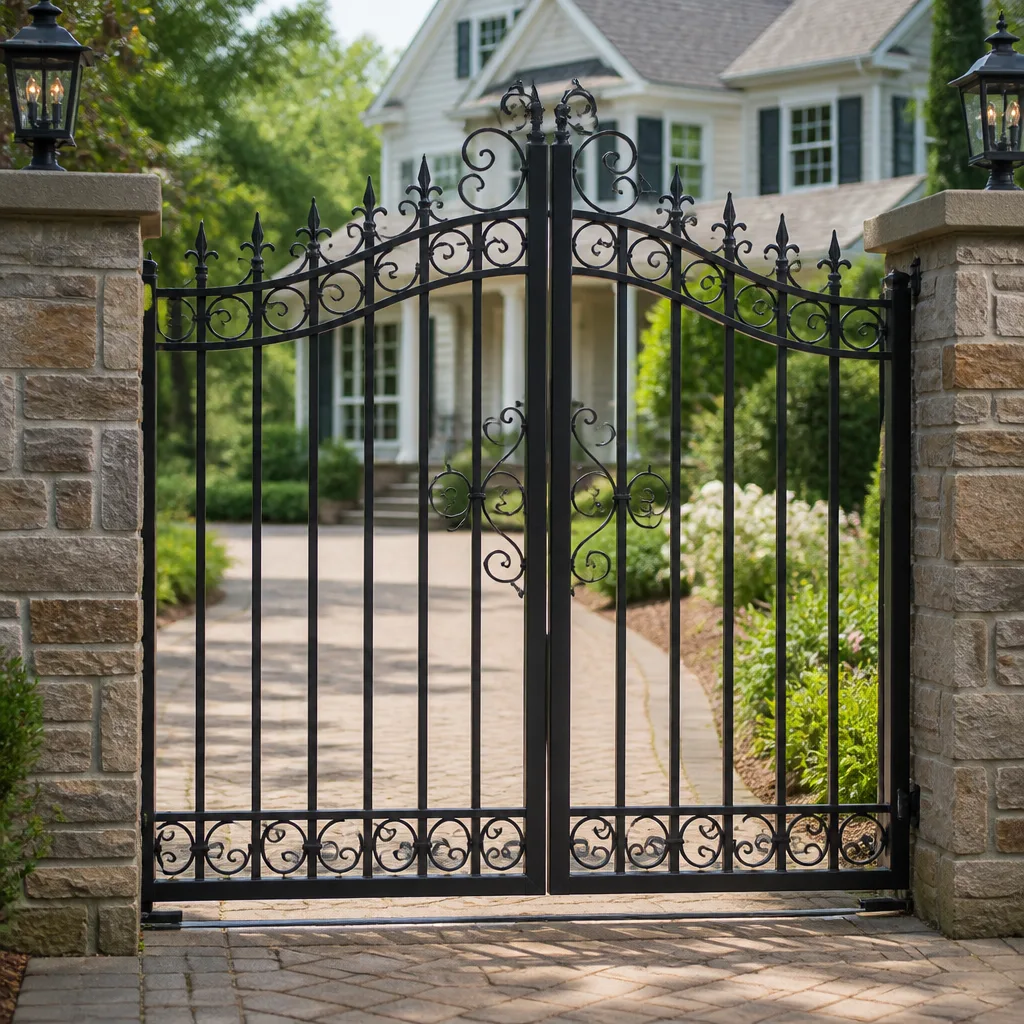
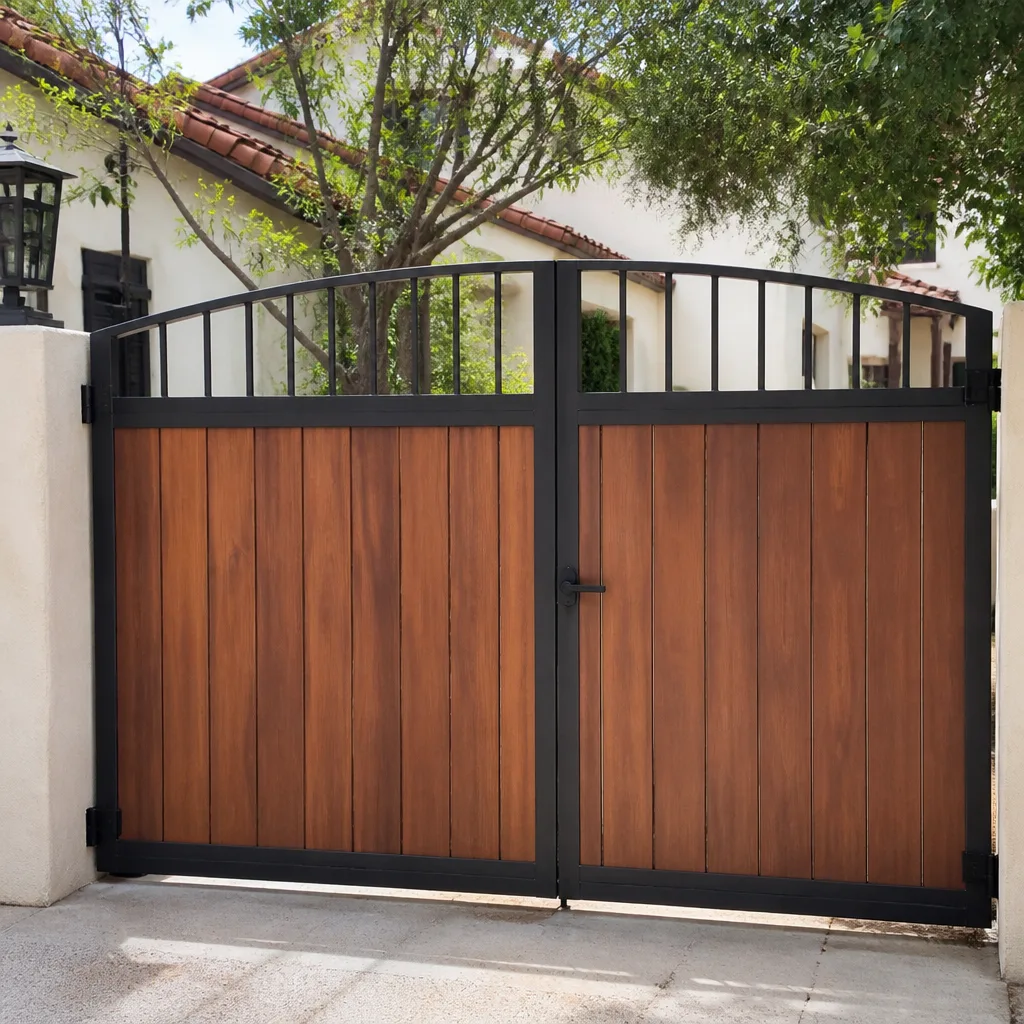
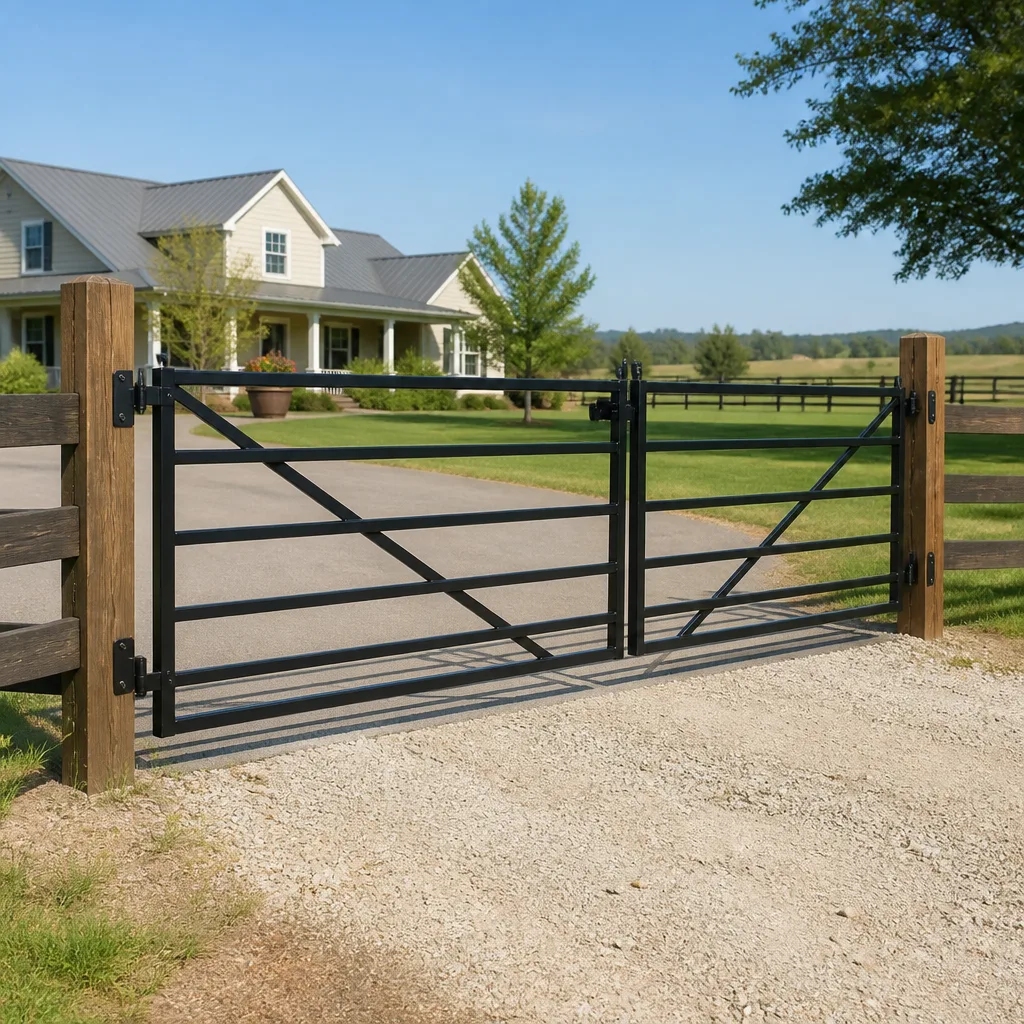
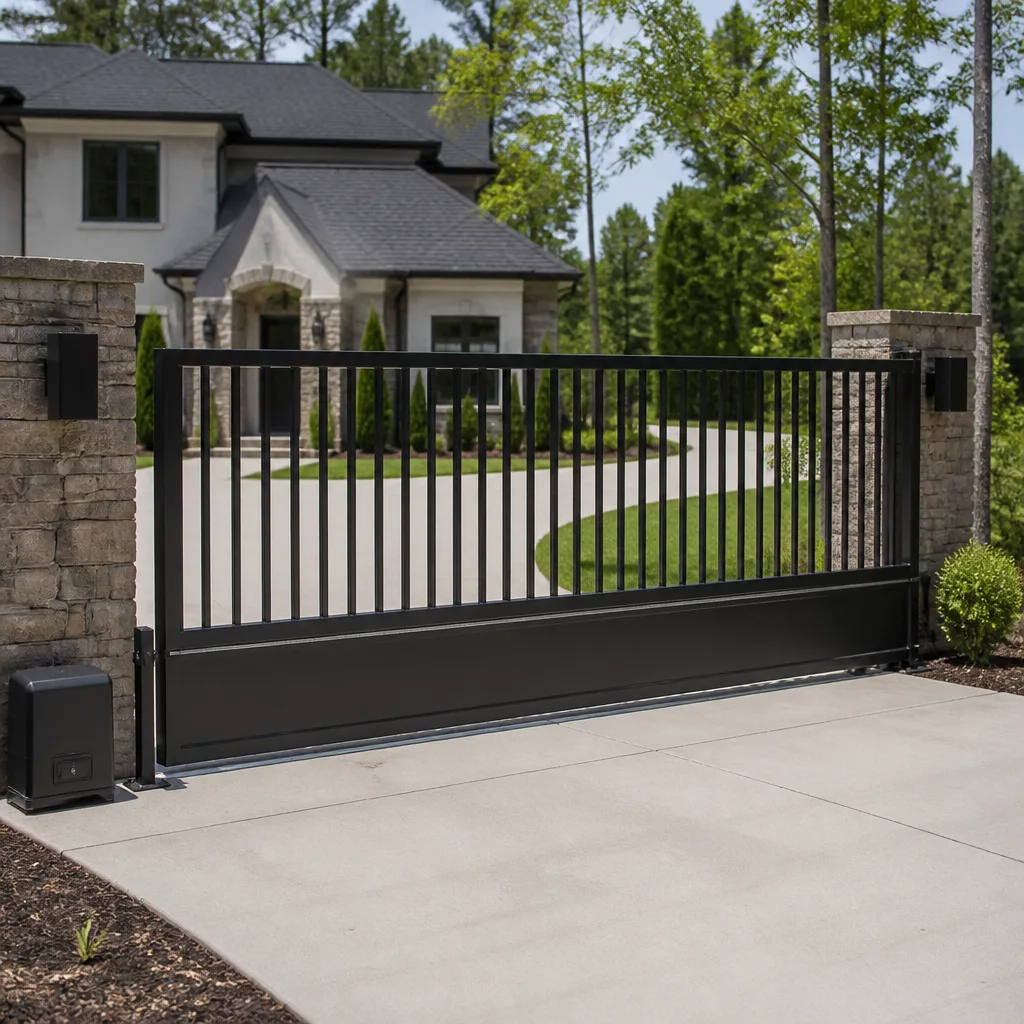
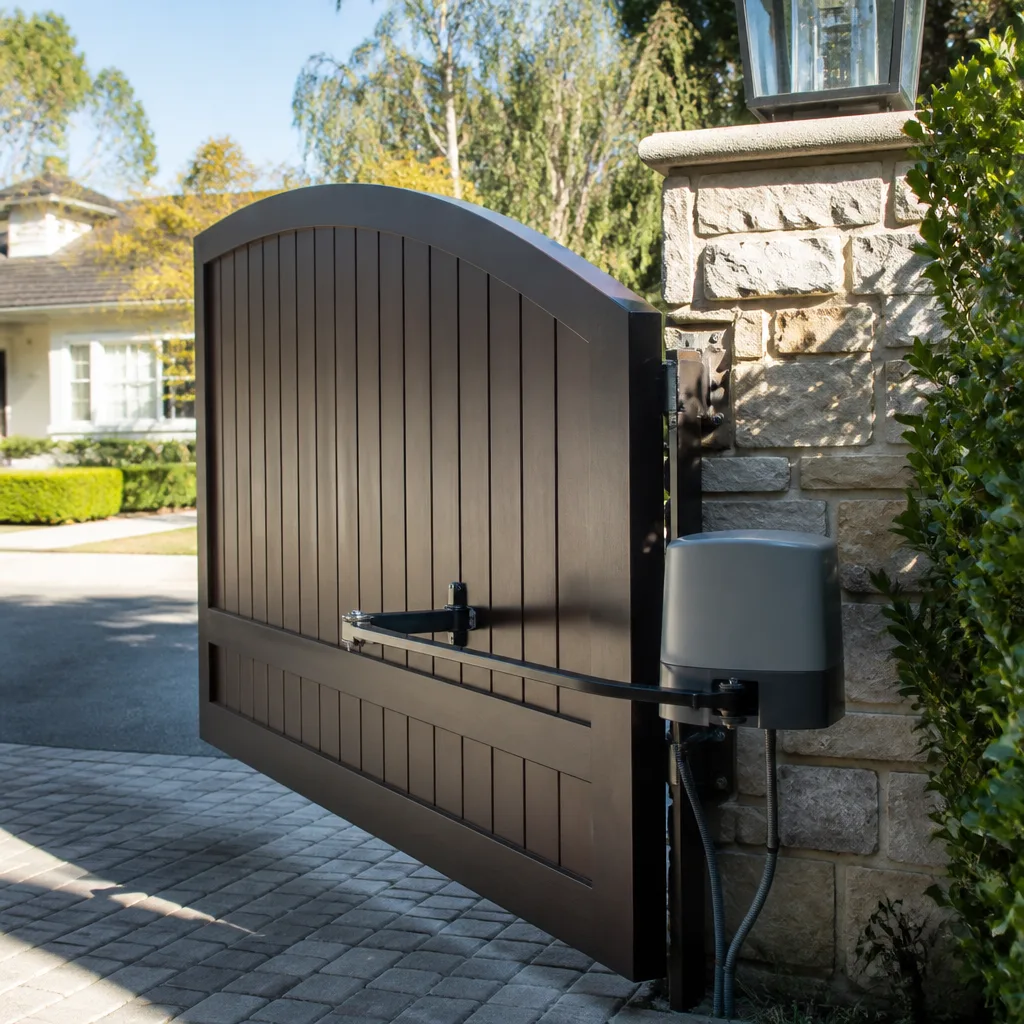
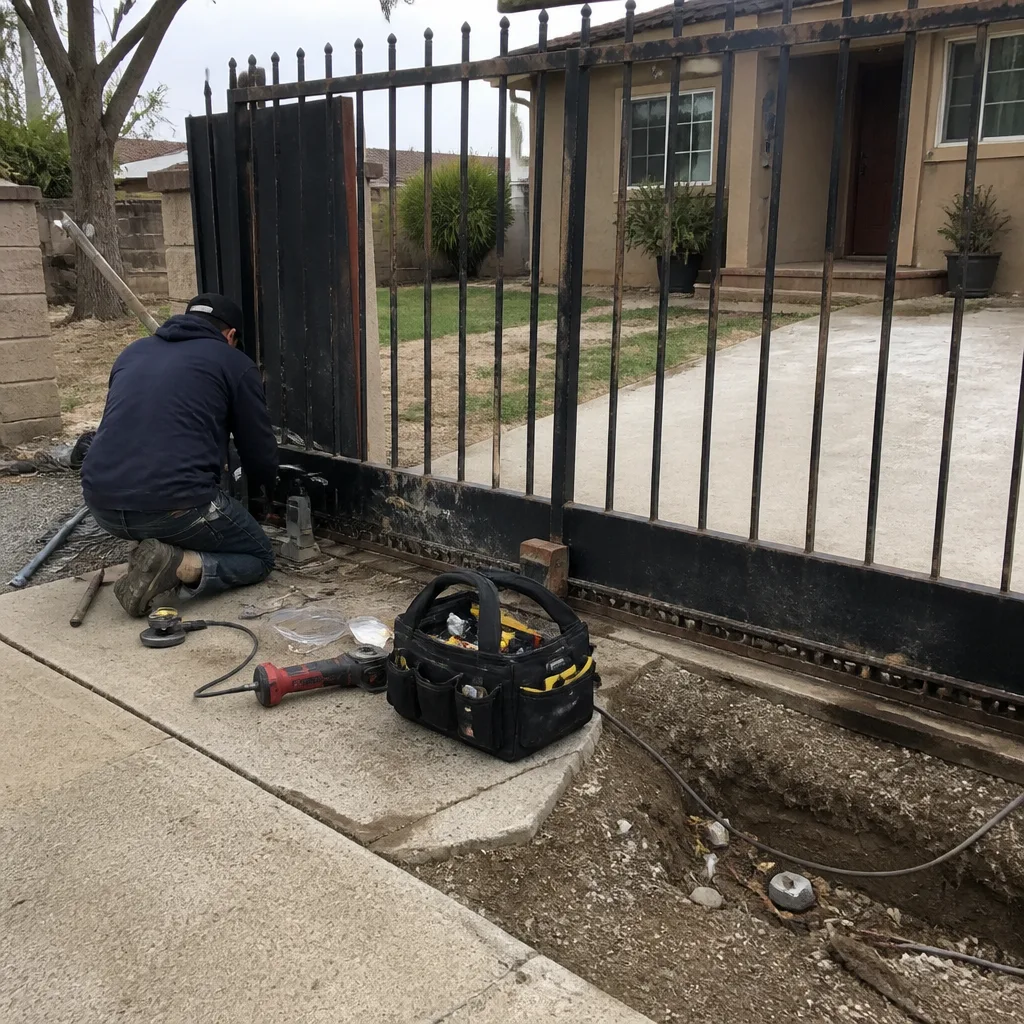 Before
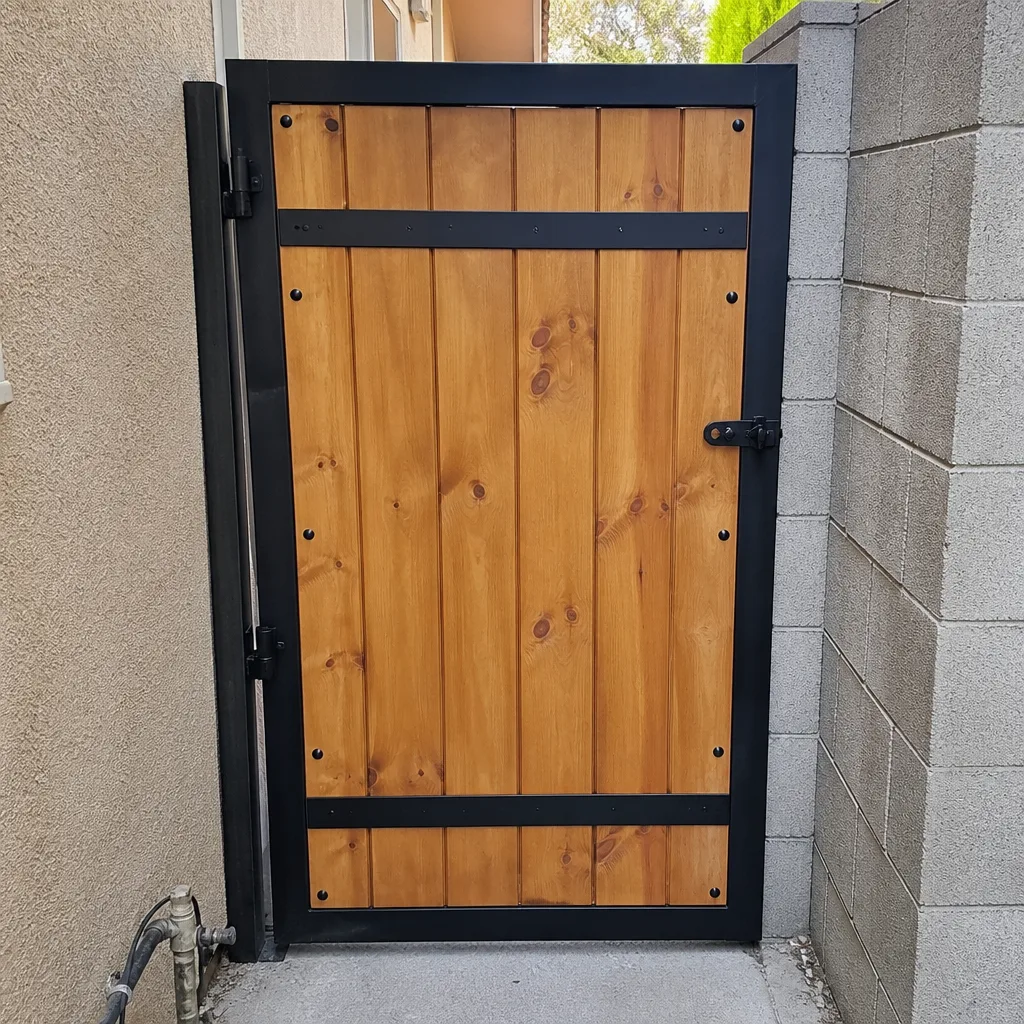 After
After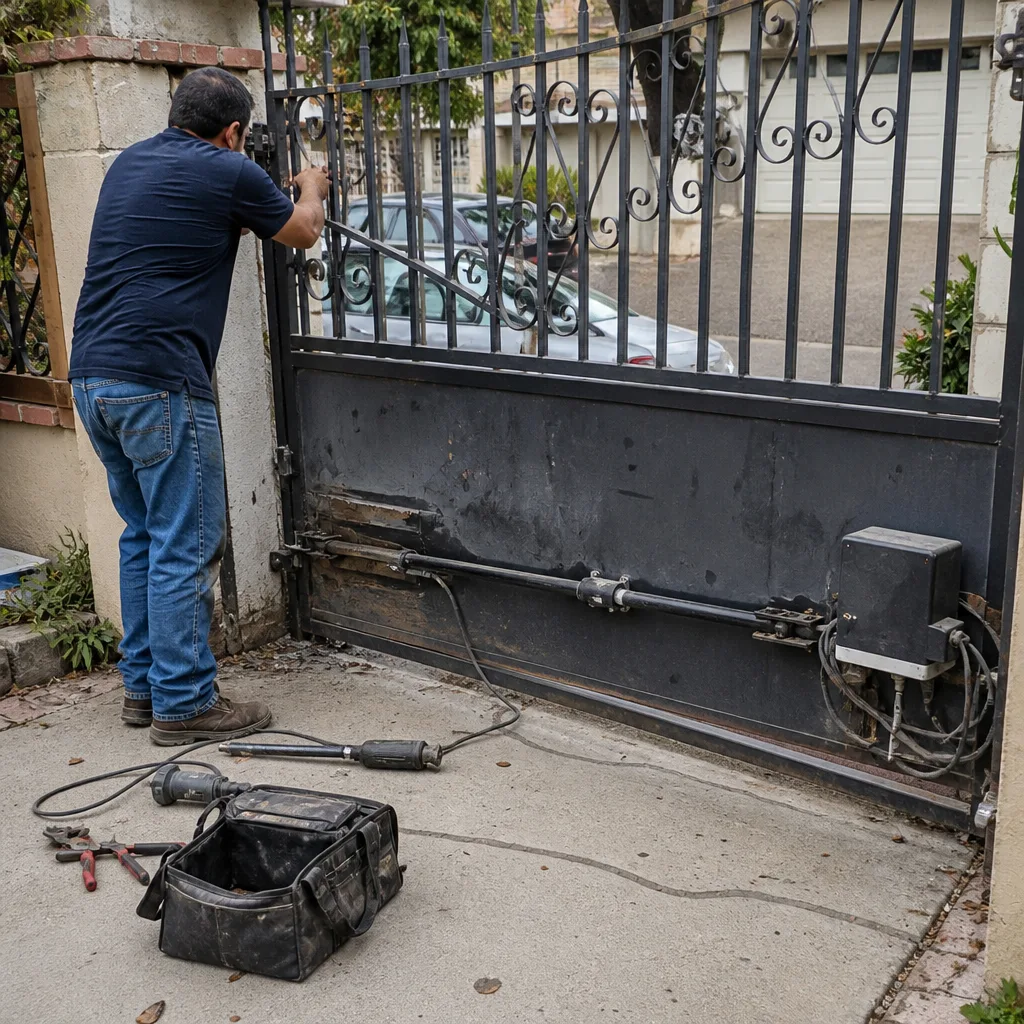 Before
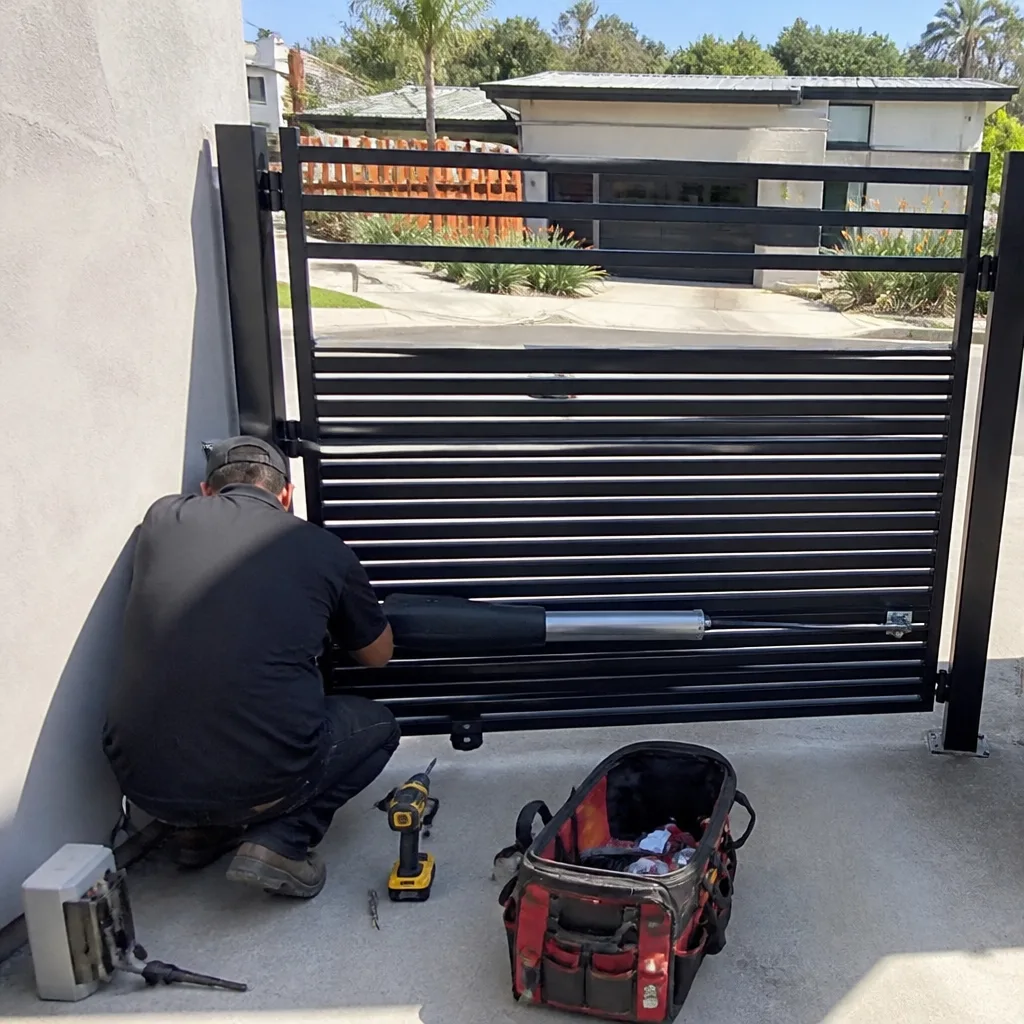 After
After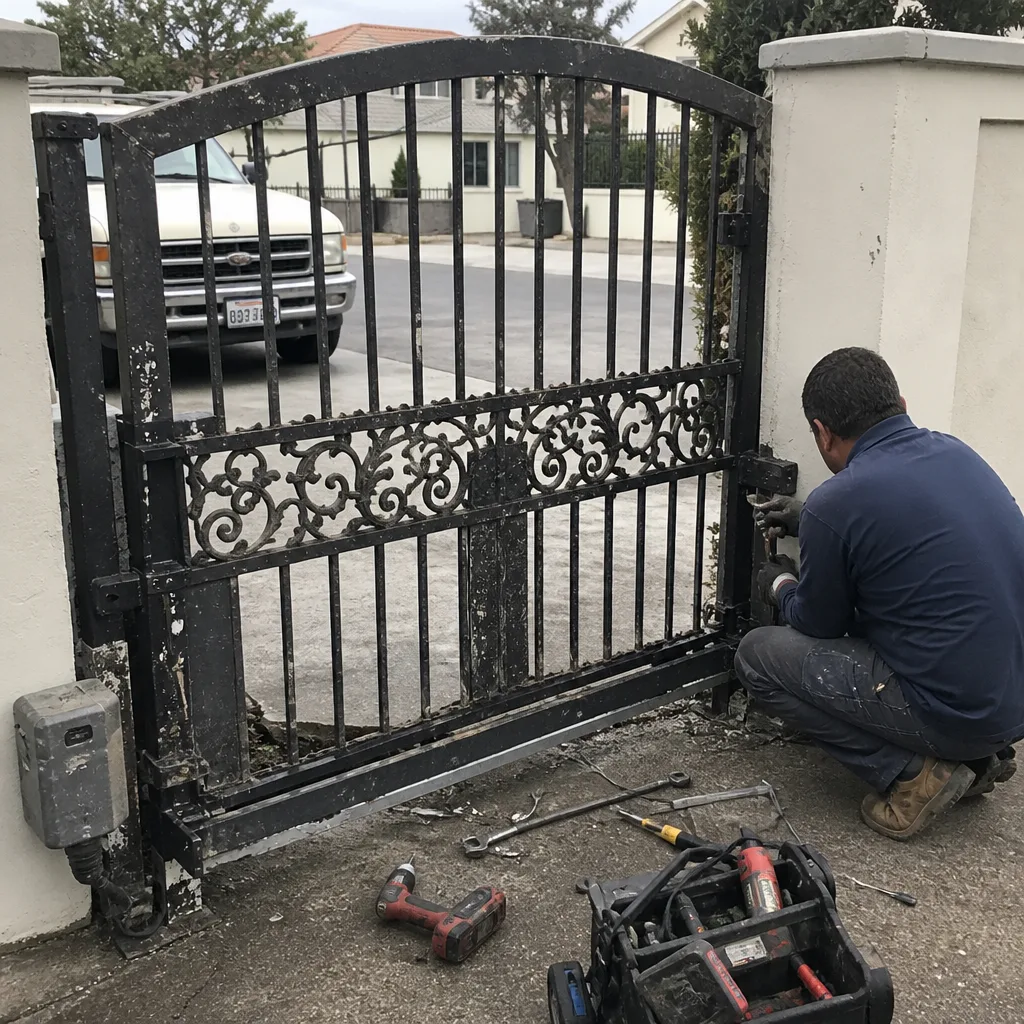 Before
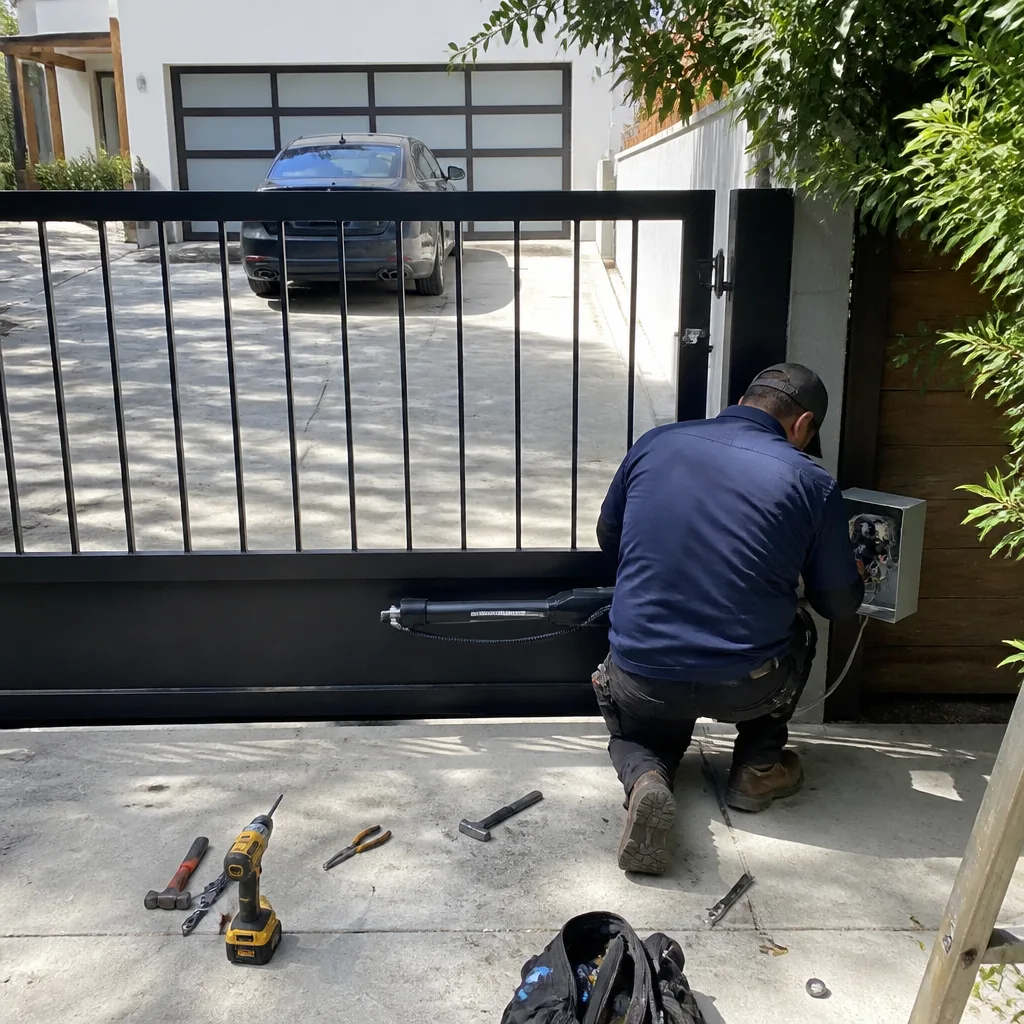 After
AfterDIY vs Professional Gate Repair: What’s Safe to Do Yourself
A residential swing gate operator can exert between 500 and 2,500 pounds of force. That’s enough to trap a child against a pillar or crush a car door frame without slowing down. Yet most DIY gate repair guides treat these machines like garage door openers with better landscaping. In Los Angeles, where hillside properties in neighborhoods like Laurel Canyon and Beachwood Canyon rely on steep-driveway gates for both security and fire department access, a misadjusted safety sensor isn’t just a maintenance error. It can block emergency vehicle entry during a brush fire or expose a homeowner to liability if a delivery driver gets pinned. This guide draws the line at exactly where mechanical inconvenience becomes a safety event or a legal problem.
Quick Answer
Homeowners can safely handle cleaning photo-eye lenses, replacing remote batteries, clearing track debris, and lubricating accessible hinges. Any task involving force-setting adjustments, control board replacement, safety sensor bypassing, or structural weld repair requires a licensed Gate Repair technician. In California, unauthorized modification of UL 325 entrapment protection systems can void homeowner’s insurance coverage and create premises liability exposure.
Table of Contents
- What UL 325 Means for Your Gate (And Why DIY Guides Ignore It)
- Safe DIY Tasks: What You Can Actually Handle
- The Danger Zone: Tasks That Require a Licensed Technician
- How DIY Repairs Can Void Your Insurance Coverage
- How to Document a DIY Repair Without Creating Liability
- How to Vet a Gate Contractor in Los Angeles
- Brand-Specific Considerations: BFT, Linear, Viking, and Ghost Controls
- What Professional Gate Repair Costs in Los Angeles
What UL 325 Means for Your Gate (And Why DIY Guides Ignore It)
UL 325 is the safety standard that governs all automatic gate operators sold in the United States. It specifies entrapment protection requirements, force limitations, and the mandatory safety devices that must be present and functional for a gate to comply. Most DIY repair content skips this entirely because it complicates the narrative that gate repair is just “mechanical common sense.”
Here’s what UL 325 actually requires for residential systems:
- Primary entrapment protection: Photo eyes or safety edges that detect obstructions and reverse or stop gate travel
- Secondary entrapment protection: Additional safety device on the opposite side of the gate from the primary protection
- Force limitation: Gate operators must not exceed specified force during opening and closing cycles
- Obstruction sensing: The operator must sense and respond to obstructions in both directions
- Control requirements: Safety devices must be hardwired into the control circuit so the gate cannot operate if they’re defeated
The critical detail most homeowners miss: UL 325 compliance is not optional equipment. It’s a condition of legal installation. In Los Angeles, where the Department of Building and Safety enforces California Building Code Chapter 31B on automatic gates, a non-compliant operator can fail inspection during a home sale or trigger a code enforcement complaint from a neighbor.
We’ve seen this scenario repeatedly in the Hollywood Hills and Silver Lake areas. A homeowner buys a property with an existing gate, notices the safety edges are damaged or missing, and replaces them with a generic part from an online marketplace. The part fits physically but doesn’t match the operator’s resistance or signaling specifications. The gate appears to work. But the entrapment protection is now non-functional in a way that’s invisible until someone gets hurt. At that point, the homeowner’s insurance carrier investigates whether the repair was performed by a licensed contractor using listed components. If not, coverage denial is common.
The Garrison Standard requires our technicians to test every safety device with a calibrated force gauge and document the readings. No guesswork. No “it seems fine.” Written numbers, signed off, kept on file.
Safe DIY Tasks: What You Can Actually Handle
These four tasks carry minimal mechanical risk and no regulatory exposure when performed correctly. We’ve specified the exact products and procedures that won’t damage your system or create liability.
1. Cleaning Photo-Eye Lenses
Dirty or fogged photo eyes are the most common cause of phantom obstruction errors. In Los Angeles, coastal salt air in Marina del Rey or Santa Monica accelerates lens clouding, while valley dust in Encino or Woodland Hills coats sensors during Santa Ana wind events.
- Power down the operator at the disconnect switch or breaker
- Locate the photo-eye housings on both sides of the gate opening, typically 18-24 inches above grade
- Remove the lens cover if removable; most twist counterclockwise
- Clean with lens tissue or a microfiber cloth dampened with isopropyl alcohol (70% or higher)
- Inspect the LED indicator: steady illumination means alignment, flashing means misalignment or obstruction
- Replace covers and restore power
- Test by interrupting the beam with a solid object during a close cycle; the gate should reverse within 2 seconds
Never use glass cleaner with ammonia. It degrades the polycarbonate lens over time and can cause crazing that scatters the infrared beam.
2. Replacing Remote Batteries and Reprogramming
Most gate remotes use CR2032 or A23 batteries. Battery failure typically shows as reduced range before total failure. When replacing, note the battery orientation before removal. Reprogramming varies by brand:
- Linear: Press the program button on the receiver until the LED flashes, then press the remote button within 30 seconds
- Ghost Controls: Enter programming mode through the control board menu, select “Add Remote,” then trigger the remote twice
If reprogramming fails after battery replacement, the remote’s crystal oscillator may have degraded. At that point, replacement is more reliable than continued troubleshooting.
3. Clearing Track and Roller Debris
Sliding gates in Los Angeles accumulate specific debris: jacaranda blossoms in late spring, palm frond fibers year-round, and construction dust from nearby hillside grading. This material packs into the track and forces the operator to work harder, which increases current draw and accelerates motor wear.
- Disconnect power to the operator
- Remove visible debris with a stiff brush; a paint stirrer works for compacted material
- Flush the track with a garden hose on low pressure if drainage permits
- Inspect rollers for flat spots or bearing seizure; rotate by hand
- Apply dry lubricant (white lithium grease or PTFE spray) to the track surface, not the rollers
- Restore power and run a full cycle
Never use WD-40 as a lubricant on gate tracks. It attracts dust and forms an abrasive paste within two weeks in dry Los Angeles conditions.
4. Lubricating Accessible Hinges
Squeaking or binding hinges indicate metal-on-metal wear at the pin. Use a heavy-duty lithium grease with NLGI Grade 2 consistency. Apply sparingly to the pin interface, wipe excess, and cycle the gate manually to distribute. In coastal Los Angeles environments, look for grease with corrosion inhibitors rated for salt spray exposure.
The Danger Zone: Tasks That Require a Licensed Technician
These tasks carry injury risk, regulatory exposure, or both. The line isn’t about your skill level. It’s about where a mistake becomes legally or physically catastrophic.
Adjusting Force and Travel Limit Settings
Gate operators have two critical adjustments: force (how hard the motor pushes) and travel limits (where the gate stops in open and closed positions). Both require a calibrated force gauge to verify UL 325 compliance. A homeowner adjusting by feel has no way to know if the force exceeds the 40-pound maximum for swing gates or the 50-pound maximum for slide gates. If someone is trapped and injured, and your adjustment is found non-compliant, premises liability attaches regardless of your good intentions.
We’ve responded to calls in Los Feliz where a homeowner adjusted a Viking operator’s force potentiometer to compensate for a binding hinge. The gate then crushed a gardener’s hand against the stop post. The operator’s force reading was 180 pounds, more than four times the UL limit. The homeowner’s insurance carrier denied the claim based on unlicensed modification of a safety system.
Control Board Replacement
Control boards are not plug-and-play. Each board must be configured for the specific operator model, motor type, gate weight, and safety device array. Incorrect configuration can cause runaway operation, reversed direction, or safety device bypass. In California, electrical work on low-voltage control circuits in automatic gates does not require an electrician’s license, but the technician must be familiar with NEC Article 725 and local amendments. Most general handymen are not.
Weld Repair on Structural Posts or Gate Frames
Gate posts in Los Angeles hillside installations often bear lateral loads from soil pressure and gate momentum simultaneously. A weld repair requires engineering knowledge of load paths and typically a certified welder for structural steel. A failed weld on a downhill gate in the Hollywood Hills can send hundreds of pounds of steel into the street below.
Any Work Requiring Safety Sensor Defeat
If you cannot complete the task with all safety devices active, the task is not a DIY project. Period. Bypassing a photo eye or safety edge to “test” the operator or complete a repair creates an unguarded hazardous condition. Technicians at Carver Gate Repair use manufacturer-specific diagnostic modes that maintain safety protection while isolating subsystems for testing.
How DIY Repairs Can Void Your Insurance Coverage
California homeowner’s insurance policies contain standard exclusions for damage arising from work performed by unlicensed contractors or by the homeowner outside their expertise. The specific language varies, but most carriers use some form of “expected or intended injury” or “failure to maintain” exclusion when a known hazardous condition (an automatic gate with defeated safety devices) causes harm.
More immediately, many policies require that “permanent fixtures and attached structures” be maintained to applicable code. A gate operator that doesn’t meet UL 325 or California Building Code requirements is, by definition, not maintained to code. If a guest, contractor, or trespasser is injured, the carrier may:
- Deny coverage for the claim entirely
- Pay the claim but non-renew the policy
- Subrogate against the homeowner for negligence if the injury was foreseeable
In Los Angeles, where property values and jury awards are both high, an uncovered premises liability claim can reach six or seven figures quickly. The cost of professional gate repair is negligible against that exposure.
We document every repair with before-and-after force readings, safety device function tests, and a written compliance statement. If your carrier ever asks, you have a defensible file.
How to Document a DIY Repair Without Creating Liability
If you perform any of the safe DIY tasks above, document them correctly. Poor documentation is almost as dangerous as poor work, because it creates a record of your involvement without proving you did the job right.
- Photograph the condition before and after. Date-stamped images of dirty lenses, cleared tracks, or lubricated hinges establish what you touched and what you didn’t.
- Keep product packaging and receipts. If you used a specific battery, lubricant, or cleaning product, the label proves you didn’t use an incompatible chemical.
- Do not document force settings, electrical measurements, or safety device adjustments. If you didn’t touch these, don’t create a record that suggests you did. A photo of a control board with a screwdriver nearby implies access you may regret.
- Log the date and weather conditions. In Los Angeles, Santa Ana winds or marine layer moisture can affect gate performance independently of your work. Documenting ambient conditions helps isolate causes if problems develop later.
- Retain manufacturer manuals. If a warranty claim arises, you’ll need to show you followed published maintenance procedures for the specific model.
If a problem persists after your DIY maintenance, call a professional rather than escalating your involvement. The Garrison Standard includes a no-charge diagnostic visit in many Los Angeles service areas when a repair estimate is accepted.
How to Vet a Gate Contractor in Los Angeles
Not every company advertising “gate repair” is qualified to work on automatic operators. General contractors, fence companies, and handyman services often list gate repair without specific training on motor systems or safety standards. Our more guides & resources explain how to confirm actual qualification.
License Verification
In California, gate repair involving electrical or mechanical systems falls under the C-61/D-28 (Doors, Gates, and Activating Devices) specialty contractor classification, or a C-10 (Electrical) license for high-voltage work. Verify the license at cslb.ca.gov. The number format is a seven-digit numeric code. Ask for the number directly; hesitation or provision of a business license (city-level, not state contractor) is a red flag.
Insurance Certificate Specifics
Request a certificate of insurance showing:
- General liability coverage of at least $1,000,000 per occurrence
- Workers’ compensation coverage if the company has employees (mandatory in California for any business with employees)
- Your property address listed as additional insured or certificate holder
Verify the certificate directly with the carrier, not through the contractor. We’ve encountered falsified certificates in the Los Angeles market.
Written Guarantee Content
A meaningful guarantee specifies what is covered, for how long, and under what conditions. “Satisfaction guaranteed” is not a guarantee; it’s a slogan. The 365-Day Done Right Promise at Carver Gate Repair specifies: parts and labor for a full year from service date, free return visit if the repair fails within that window, and no proration or depreciation. Every customer receives this in writing before work starts.
Brand-Specific Training
Ask which motor brands the technician is trained to service. A qualified technician should name specific manufacturers and describe recent training. Carver Gate Repair technicians are trained on nine brands: LiftMaster, FAAC, BFT, Linear, Viking, Ghost Controls, DoorKing, Elite, and Mighty Mule. We don’t service brands we haven’t trained on, because guessing at control board diagnostics wastes your time and risks your safety.
Brand-Specific Considerations: BFT, Linear, Viking, and Ghost Controls
Different manufacturers design their safety systems with varying degrees of homeowner accessibility. Understanding your specific system helps you recognize the boundary between user maintenance and technician territory.
BFT
Italian-manufactured BFT operators use encrypted control boards with proprietary diagnostic software. The D-Track torque management system continuously monitors motor load and adjusts force in real time. Homeowners can clean photo eyes and clear tracks, but any D-Track calibration error requires the BFT-specific programming tool and factory software. We’ve replaced multiple control boards in Pacific Palisades installations where homeowners attempted manual force overrides after D-Track flagged a binding condition that needed mechanical repair, not electronic compensation.
Linear
Linear operators are common in Los Angeles commercial and residential installations, particularly the PROSWING and ACTUATOR series. The control boards use DIP switches for basic configuration, which tempts homeowner adjustment. However, the entrapment sensitivity settings interact with the optional edge sensor inputs in ways that aren’t intuitive. A DIP switch change that increases convenience (faster close cycle) can disable edge sensor monitoring without obvious indication. Linear-specific technicians carry the LDO33 or LDO50 programming modules for safe adjustment.
Viking
Viking operators are built for high-cycle and high-force applications, common on large estate gates in Bel Air and Beverly Hills. The magnetic limit switch system is precise but sensitive to magnetic interference from nearby equipment. Homeowners can lubricate hinges and clear tracks, but limit switch recalibration after any mechanical adjustment requires the Viking programming pendant and knowledge of the specific magnet spacing for your gate length. Incorrect calibration causes “soft stop” failure, where the gate coasts past the limit and stresses the mechanical stops.
Ghost Controls
Ghost Controls specializes in residential swing operators with DIY-friendly installation kits. This brand positioning creates confusion: the installation is designed for homeowner completion, but repair and safety verification still require technical knowledge. The “PartyMode” feature, which holds the gate open indefinitely, is convenient but must be used with functional entrapment protection. We’ve found Ghost Controls installations in Los Angeles where homeowners disabled safety edges to use PartyMode without the “nuisance” of occasional false trips from passing animals or wind-blown objects. This is a direct UL 325 violation and a liability exposure.
What Professional Gate Repair Costs in Los Angeles
Understanding professional pricing helps you evaluate whether a DIY attempt is worth the risk. These ranges reflect Los Angeles market conditions, including higher labor rates and permit requirements in certain jurisdictions.
| Service | Typical Range | Notes |
|---|---|---|
| Diagnostic service call | $125 – $195 | Includes travel, inspection, and written estimate; credited toward repair if accepted |
| Photo-eye alignment or replacement (pair) | $180 – $340 | Includes alignment verification and force re-test |
| Safety edge replacement | $220 – $450 | Varies by edge length and wireless vs. hardwired |
| Control board replacement (standard residential) | $480 – $890 | Includes programming, safety device integration, and compliance documentation |
| Motor/gearbox replacement | $680 – $1,400 | Depends on operator brand and gate weight capacity |
| Complete operator replacement | $1,800 – $3,500 | Includes removal, disposal, new unit, safety devices, and permit if required |
At Carver Gate Repair, every customer receives a written price before any work starts. The number doesn’t change once the job is open. If we discover additional problems during repair, we stop, explain, and obtain written authorization for any additional scope. No surprises.
The 365-Day Done Right Promise covers every repair. If the same problem recurs within a year, we return at no charge. No argument, no pro-rating, no “diagnostic fee” on the second visit.
Common Mistakes to Avoid
- Using generic replacement parts. A photo eye from an online marketplace may fit physically but use incompatible signaling protocols. The gate appears to work while the safety function is dead. Always match manufacturer and model number exactly.
- Adjusting force settings to compensate for mechanical problems. A binding hinge or damaged roller increases resistance. Raising force to overcome it masks the root cause and creates entrapment danger. Fix the mechanics first, then verify force is within limits.
- Ignoring permit requirements. In Los Angeles, new gate installations and substantial modifications require permits from the Department of Building and Safety. Unpermitted work must be disclosed in property sales and can trigger retrofit orders.
- Disabling safety devices for “convenience.” Every disabled sensor is a potential lawsuit. In California, willful disablement of known safety devices can support punitive damages in injury cases.
- Assuming YouTube expertise transfers. Video content rarely addresses your specific operator model, local code amendments, or the liability framework in California. It’s entertainment, not training.
- Neglecting to test after maintenance. Any maintenance, even cleaning, can disturb alignment or connections. Run full cycles with obstruction testing after any intervention.
- Hiring based on lowest bid alone. In the Los Angeles market, significantly underpriced gate repair often means unlicensed operation, no insurance, or recycled parts. Verify license, insurance, and guarantee terms before comparing prices.
When to Call a Professional
Call a qualified gate technician when the problem involves force settings, electrical components, structural integrity, or any safety device. Call immediately if the gate exhibits runaway operation, reversed direction, or failure to respond to safety sensors. In Los Angeles, where fire department access requirements apply to many gated properties, a malfunctioning gate is also an emergency access issue.
Carver Gate Repair offers free estimates in Los Angeles. Our phones are answered by a live person 24 hours a day, including weekends and holidays. Call (469) 530-2485 to schedule a diagnostic visit with a background-checked, uniformed technician. Every repair includes a written price before work starts and the 365-Day Done Right Promise in writing.
Frequently Asked Questions
Closing speed adjustment is accessible on some operators through a dial or digital menu, but speed and force are interrelated. Slowing the gate without verifying force compliance with a calibrated gauge can mask a force exceedance. We recommend having speed adjustments performed by a technician who tests both parameters.
Santa Ana winds carry fine dust and static electricity that disrupt photo-eye beams and deposit conductive film on control board contacts. Cleaning helps, but recurring issues often indicate inadequate sealing or grounding. A technician can evaluate whether your installation location needs additional environmental protection.
Coverage depends on maintenance history and compliance with applicable standards. If the gate operator meets UL 325 and was maintained by qualified technicians, coverage typically applies. If the carrier finds unlicensed modifications or disabled safety devices, they may deny based on failure to maintain or expected injury exclusions.
Check for a UL listing mark on the operator housing, functional photo eyes or safety edges on both sides of the gate, and a manual release mechanism. For verification, a qualified technician can test force levels and safety device response times against current UL 325 edition requirements. Call (469) 530-2485 for a compliance inspection in Los Angeles.
Hinge replacement on a manually operated gate is straightforward mechanical work. On an automatic gate, hinge geometry affects operator loading and travel limits. Incorrect hinge placement changes the gate’s center of gravity and can overload the operator or cause binding. Have a technician verify geometry after any hinge replacement on an automated system.
A meaningful guarantee specifies the coverage period (in years or days), what components are included (parts, labor, or both), whether return visits are free, and any conditions that void coverage. Vague language like “satisfaction guaranteed” or “we stand behind our work” without specifics is not a guarantee. The 365-Day Done Right Promise specifies full parts and labor coverage for one year, with free return visits if the repair fails. Every customer receives this in writing before work begins.
The Bottom Line
The DIY-versus-professional question for gate repair is not about your competence with tools. It’s about where the consequences of error shift from inconvenient to dangerous, from private to legally exposed. Cleaning, lubricating, and basic battery replacement are homeowner-appropriate tasks with bounded risk. Force adjustment, electrical work, structural repair, and any safety system modification belong to trained technicians with calibrated equipment, proper insurance, and accountability for the outcome. In Los Angeles, where property values, code enforcement, and liability exposure are all elevated, the cost of professional repair is modest protection against substantial downside. Document what you do yourself, know when to stop, and verify credentials before handing the job to anyone else.
Written by Lonnie Burke, Owner at Carver Gate Repair, serving Los Angeles since 2008.